

Importance of Medical Consent in Islam
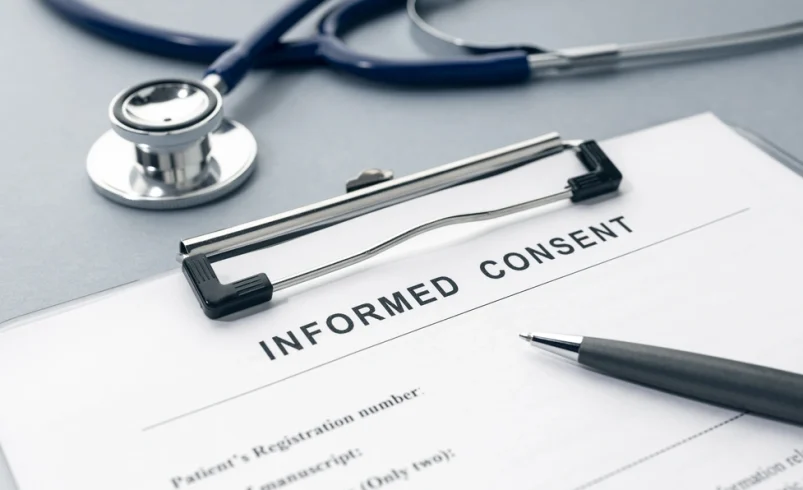
Medical consent is a critical component of ethical healthcare and is emphasized in Islamic law. Obtaining proper consent ensures that procedures, including organ donation, respect the rights of patients and donors while upholding moral and religious obligations. Witnesses play a vital role in verifying consent, protecting all parties, and maintaining Shariah compliance.
Islamic Legal Foundations for Consent
The Quran emphasizes respect for human autonomy and responsibility: “And do not kill yourselves [or one another]” (Surah An-Nisa 4:29). Scholars interpret this as a mandate to avoid harm and to ensure voluntary, informed participation in medical decisions. Witnesses serve as a safeguard, confirming that consent is genuine and free from coercion.
The Role of Witnesses
Witnesses provide a verifiable record that consent was obtained ethically and voluntarily. Their role includes:
- Confirming that the donor or patient understands the procedure.
- Ensuring that no coercion, pressure, or misunderstanding affects the decision.
- Documenting the consent process for legal and ethical purposes.
- Providing reassurance to families, medical staff, and religious authorities.
Witness Requirements in Shariah
Islamic jurisprudence recommends witnesses to be trustworthy, reliable, and competent. Ideally, witnesses should:
- Be of sound mind and reputable character.
- Not have a personal interest in the transaction.
- Be present at the time of consent to observe and verify the decision.
Witnesses ensure that the donor’s intention (niyyah) aligns with ethical and religious principles, particularly in life-saving procedures like organ donation.
Application in Organ Donation
For living donors, witnesses confirm that the donor understands the risks, benefits, and religious permissibility of the procedure. In posthumous donation, witnesses help verify that the deceased provided prior consent or that family approval is given in accordance with Shariah. This documentation helps prevent disputes and reassures all stakeholders that the donation is ethical and religiously valid.
Integration with Legal and Medical Systems
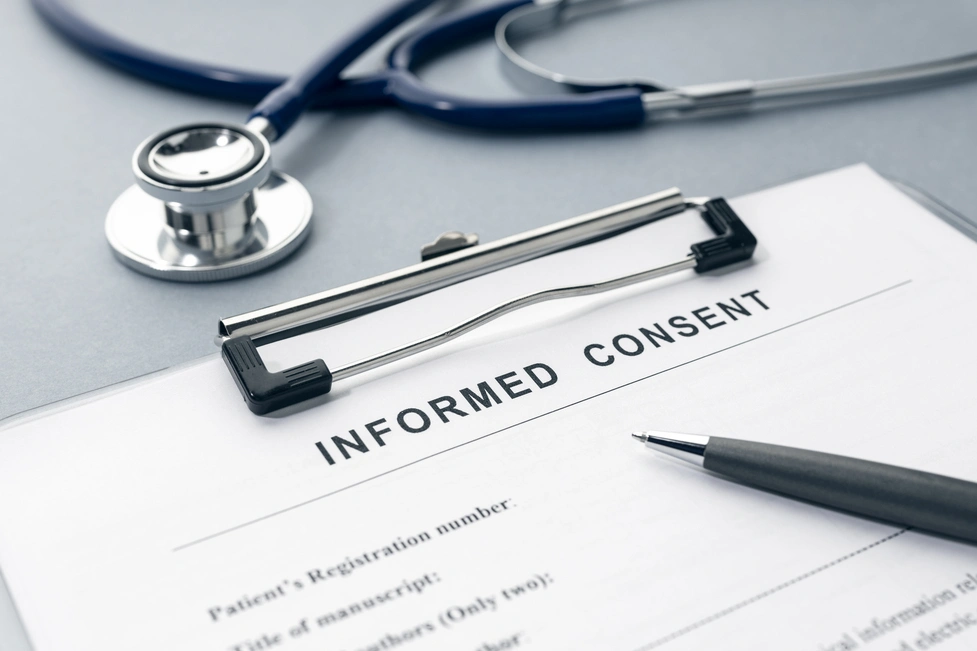
Modern healthcare systems often require signed consent forms witnessed by neutral parties. In Islamic contexts, collaboration with religious authorities ensures that Shariah requirements are met. Digital consent forms and electronic verification systems further enhance transparency and efficiency while maintaining ethical standards.
Addressing Common Concerns
Families and communities may worry about the authenticity of consent or ethical compliance. Witnesses provide a credible, neutral confirmation that consent is voluntary, informed, and ethically sound. This reduces misunderstandings, builds trust, and ensures that medical and religious obligations are satisfied.
Practical Example
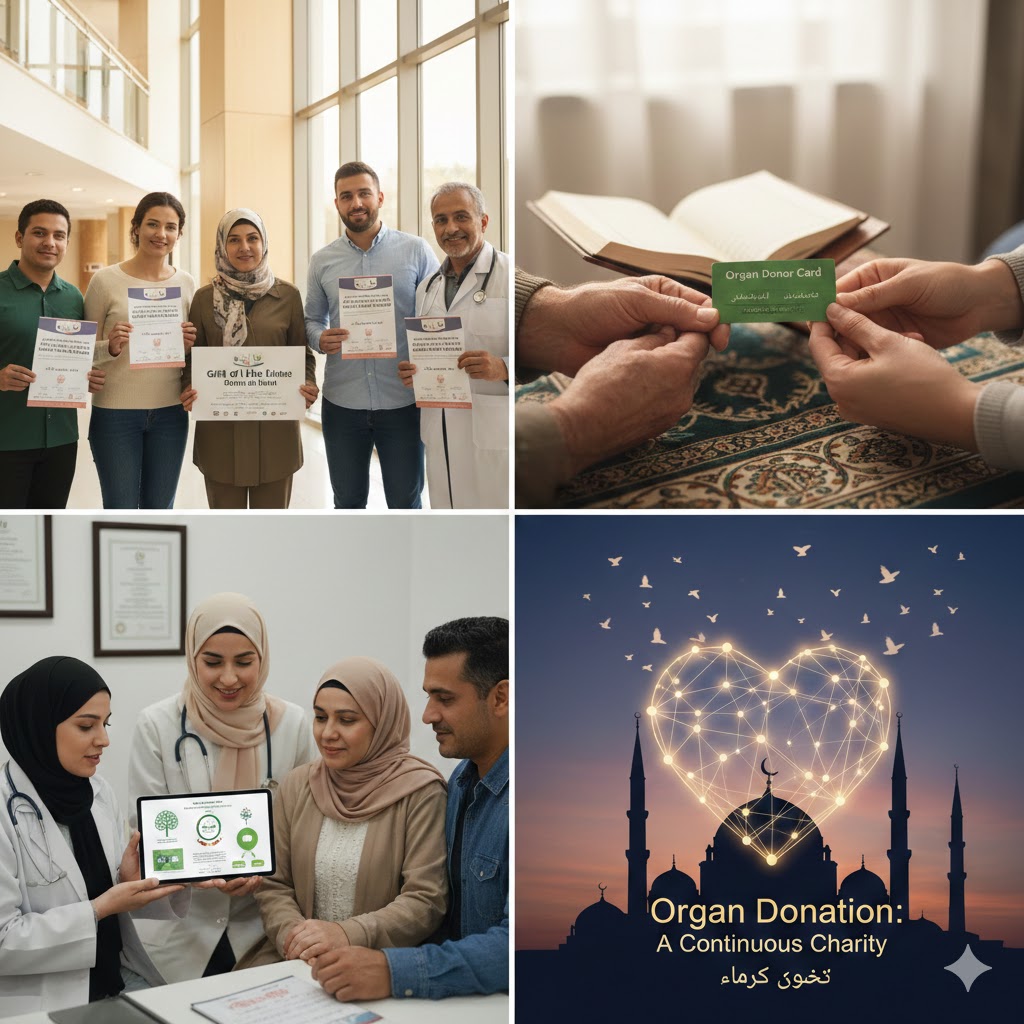
For example, a living kidney donor in a Muslim community may sign a consent form in the presence of two trustworthy witnesses. The witnesses confirm the donor’s understanding, verify voluntary participation, and record the event for hospital and legal documentation. This process ensures that the donation is ethically and religiously valid.
Conclusion
Witnesses play a critical role in medical consent, ensuring that ethical, legal, and Shariah standards are upheld. They provide assurance that organ donation or medical procedures are voluntary, informed, and morally sound. By integrating witness verification into medical practice, Muslims can participate in life-saving organ donation with confidence, knowing that their actions are compliant with both religious and ethical obligations.