



Understanding the Prohibition of Organ Selling
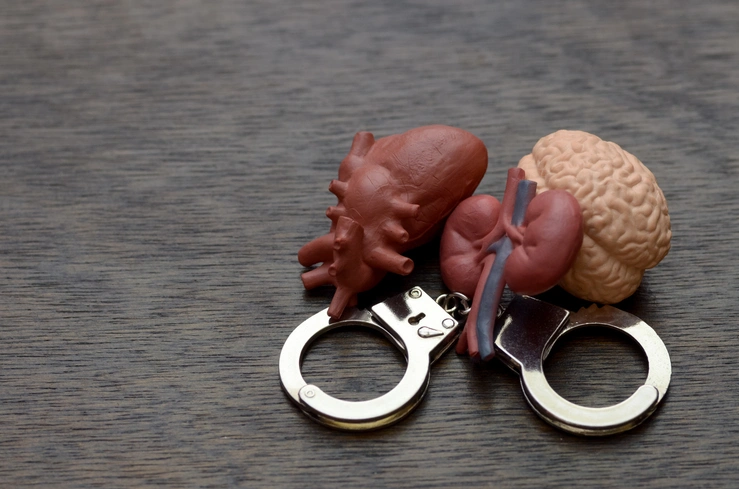
Islamic law strictly prohibits the buying and selling of human organs. The sanctity of the human body, ethical principles, and moral responsibility are the core reasons behind this prohibition. Selling organs is considered exploitation, violates human dignity, and undermines the foundational Islamic principles of justice and compassion.
Quranic and Prophetic Foundations
The Quran emphasizes the sanctity of life and dignity of the human body: “Do not kill yourselves [or one another]. Indeed, Allah is Merciful to you” (Surah An-Nisa 4:29). Prophet Muhammad (peace be upon him) also stated, “There should be neither harming nor reciprocating harm” (Sunan Ibn Majah 14:13). These teachings establish that human life and bodily integrity must not be commodified.
Ethical Concerns with Organ Sale
Selling organs introduces exploitation, coercion, and economic pressure, often targeting vulnerable populations. Ethical guidelines in Islam prioritize voluntary, informed consent without financial inducement. Commercializing organs undermines altruism, transforms a sacred act of saving life into a transactional business, and exposes donors to health risks under pressure.
Scholarly Opinions
Islamic jurists across schools of thought unanimously agree that organ sale is haram. The Islamic Fiqh Academy explicitly prohibits commercial organ trade, citing the principles of bodily sanctity, prevention of harm, and social justice. Scholars distinguish permissible donation, which saves lives voluntarily, from unethical commercialization driven by profit.
Impact on Society
Legal and ethical frameworks in Muslim-majority countries enforce prohibitions on organ selling to protect society from exploitation. Permitting sales could lead to inequality, where wealthy patients receive priority and poor donors are coerced into risking their health. Islam emphasizes equity, moral responsibility, and protection of human dignity, making commercialization incompatible with Shariah.
Permissible Alternatives
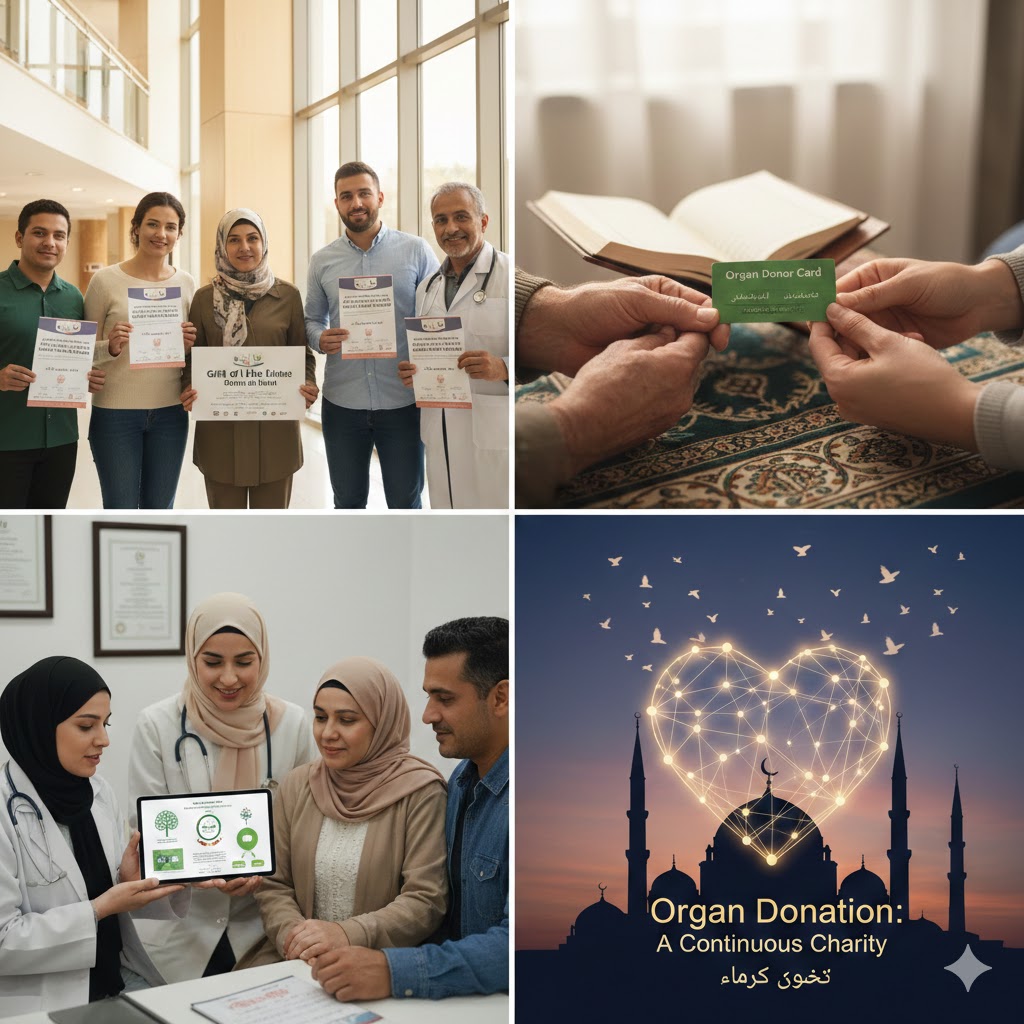
Islam encourages voluntary, altruistic organ donation as a means of saving lives and earning spiritual reward (Surah Al-Ma’idah 5:32). Legal frameworks and hospital systems facilitate ethical donation without financial incentive, ensuring fairness and Shariah compliance. These measures protect donors while promoting life-saving medical practices.
Practical Examples
Hospitals and organ registries in Muslim countries prohibit compensation for organ donation. A living kidney donor, for instance, may donate voluntarily, with medical expenses covered but no monetary payment provided. This ensures compliance with Islamic ethics, protecting both the donor and recipient from exploitation while saving lives.
Conclusion
Organ selling is strictly forbidden in Islam due to ethical, legal, and spiritual considerations. Preserving bodily sanctity, preventing harm, and promoting altruism are essential Shariah principles guiding this prohibition. Muslims are encouraged to engage in voluntary, life-saving organ donation without financial exchange, ensuring ethical, religiously compliant, and socially responsible medical practices.