



Understanding the Organ Black Market
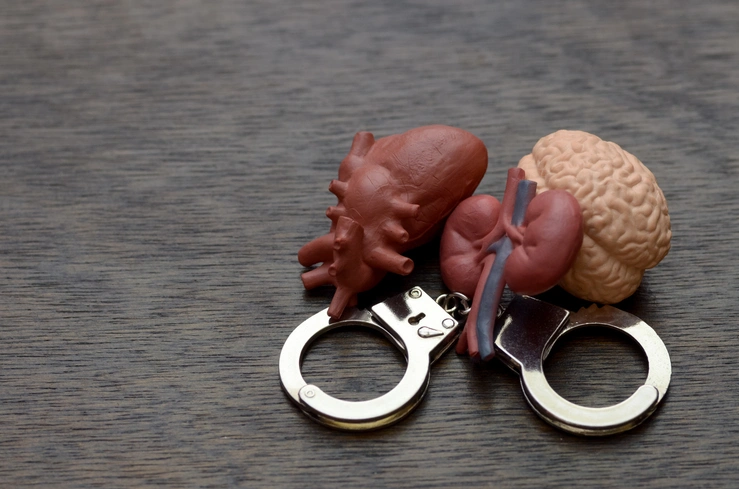
The organ black market refers to illegal trade in human organs, often exploiting vulnerable populations and bypassing ethical and legal safeguards. In Islam, this practice is strictly prohibited as it violates the sanctity of the human body, disregards voluntary consent, and endangers both donors and recipients. It represents one of the most pressing ethical challenges in modern healthcare.
Risks to Donors
Individuals selling organs in the black market face serious physical and psychological harm. Surgeries are often performed in unsafe conditions without proper medical oversight, increasing the risk of complications, infections, and long-term health problems. Islam emphasizes the principle of la darar wa la dirar (“do not harm and do not reciprocate harm”), making these practices morally impermissible (Sunan Ibn Majah 14:13).
Risks to Recipients
Recipients of organs obtained through illicit channels face higher chances of infection, poor organ matching, and inadequate post-operative care. Ethical guidelines in Islam prioritize safety, consent, and justice. Participation in black-market organ transplants contradicts these principles and exposes recipients to avoidable harm.
Violation of Consent and Autonomy
Black market transactions often involve coercion, deception, or economic pressure, violating voluntary consent. Islamic ethics require that organ donation be entirely voluntary, with donors fully informed of risks and benefits. Exploiting financial or social vulnerability undermines moral responsibility and spiritual accountability.
Societal and Legal Consequences
The black market perpetuates inequality, favoring wealthy patients while exploiting poor donors. It undermines trust in healthcare systems and legal frameworks designed to ensure fairness and ethical conduct. Islamic law promotes social justice, equity, and protection of vulnerable populations, all of which are compromised by organ trafficking.
Scholarly Opinions
Islamic scholars, including those from the Islamic Fiqh Academy, affirm that black-market organ trade is strictly haram. The prohibition is grounded in principles of bodily sanctity, prevention of harm, and social justice. Scholars encourage voluntary, regulated donation while condemning illicit commercialization.
Ethical Alternatives
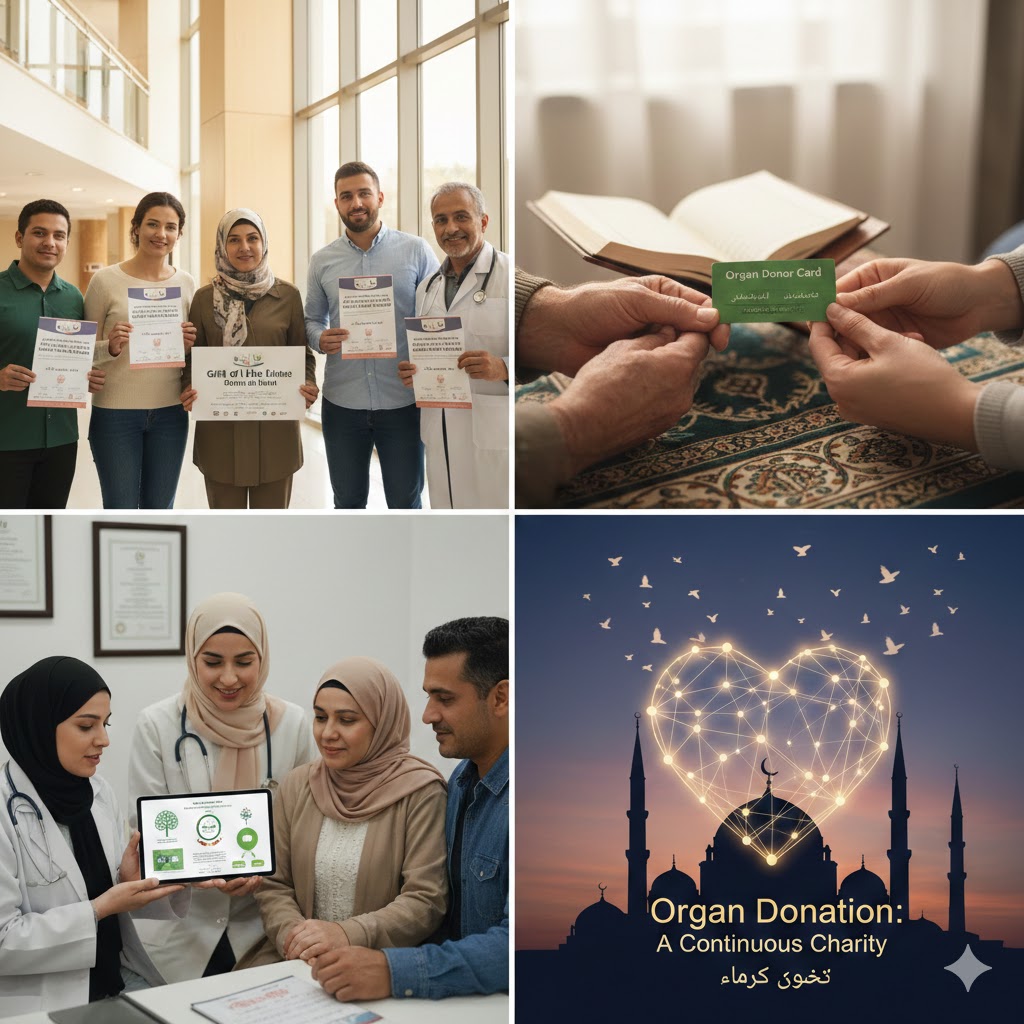
Islam promotes lawful, voluntary organ donation to save lives. Hospitals and national registries provide regulated frameworks that ensure safety, fairness, and Shariah compliance. Covering medical expenses and ensuring informed consent allows ethical participation without financial exploitation, contrasting sharply with the black market.
Practical Example
In contrast to illicit trade, a Muslim living kidney donor may donate to a family member or patient through a registered hospital. The procedure is safe, voluntary, and ethically supervised. No monetary exchange is involved, and religious guidance ensures that the act is morally and spiritually rewarding, demonstrating how legal frameworks protect both donors and recipients.
Conclusion
The organ black market presents severe ethical, medical, and social dangers. Islam strictly prohibits participation in such practices, emphasizing the principles of harm prevention, bodily sanctity, and social justice. Muslims are encouraged to engage in voluntary, regulated organ donation, ensuring safety, ethical compliance, and religious permissibility, while protecting both donors and recipients from exploitation.