
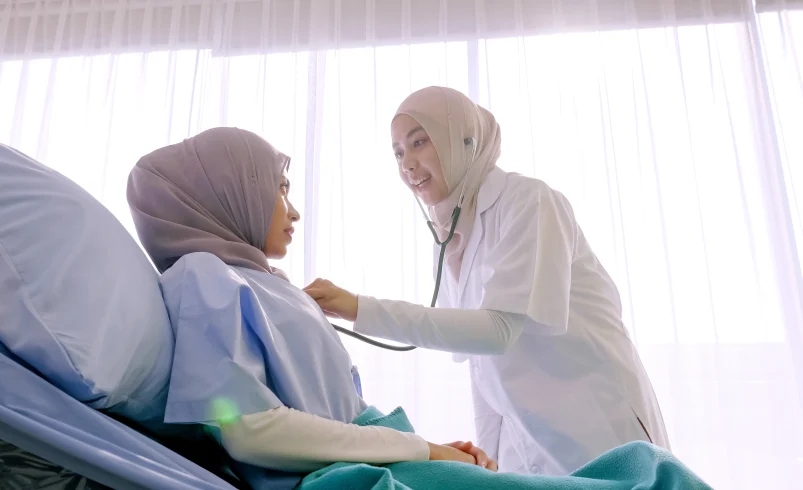

Islamic Principles Against Exploitation
Islamic law strictly prohibits exploitation in all forms, including in medical practice. Exploitation occurs when individuals are coerced, deceived, or financially pressured into medical procedures or transactions, including organ donation. Protecting human dignity, ensuring informed consent, and preventing harm are central ethical obligations in Islam.
Quranic and Prophetic Guidance
The Quran instructs, “Do not consume one another’s wealth unjustly” (Surah An-Nisa 4:29), emphasizing fairness, justice, and protection from harm. Prophet Muhammad (peace be upon him) said: “There should be neither harming nor reciprocating harm” (Sunan Ibn Majah 14:13). These teachings extend to medicine, ensuring that no patient, donor, or healthcare worker is exploited.
Exploitation in Medical Contexts
Exploitation in medicine includes:
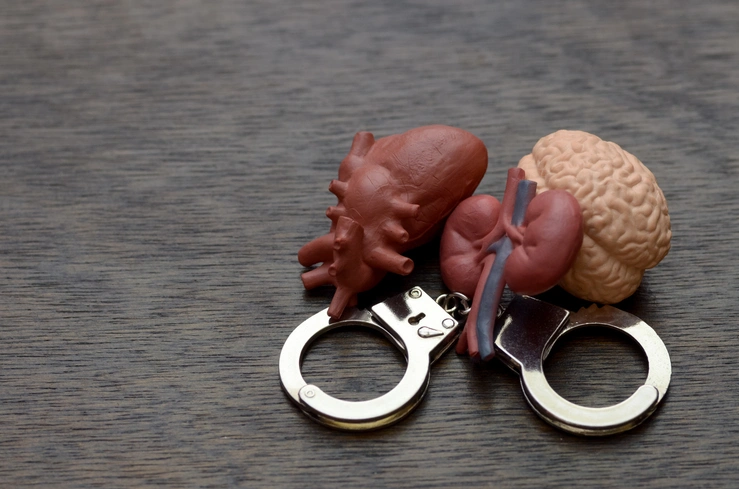
- Commercial sale of organs or body parts.
- Coercion of vulnerable patients into procedures.
- Neglecting medical ethics for financial or personal gain.
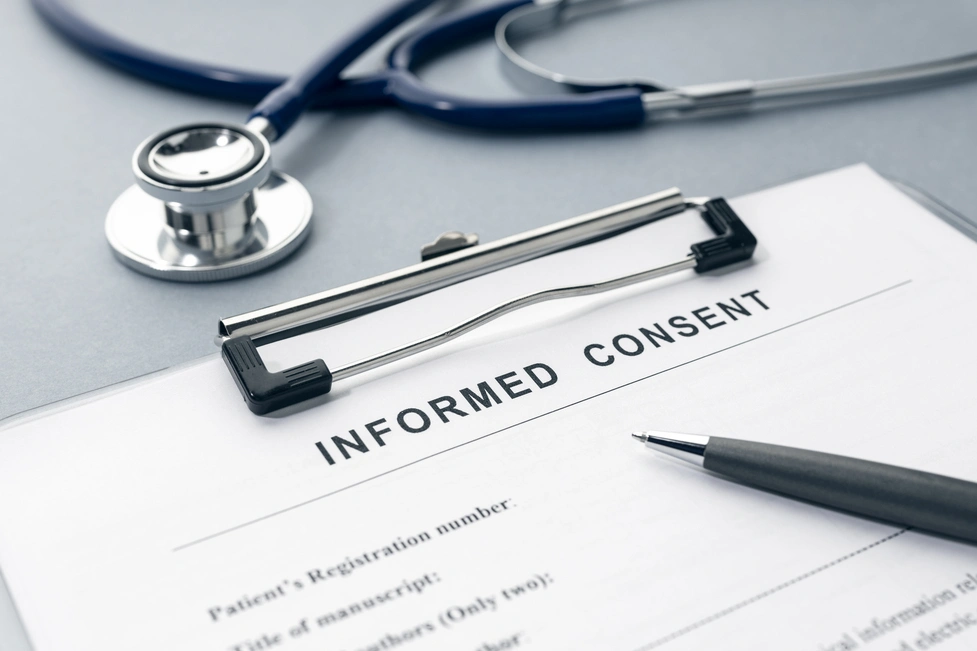
- Ignoring informed consent or manipulating patients’ understanding.
Islamic ethics demand transparency, voluntary participation, and protection from undue harm in all medical interventions.
Organ Donation and Exploitation
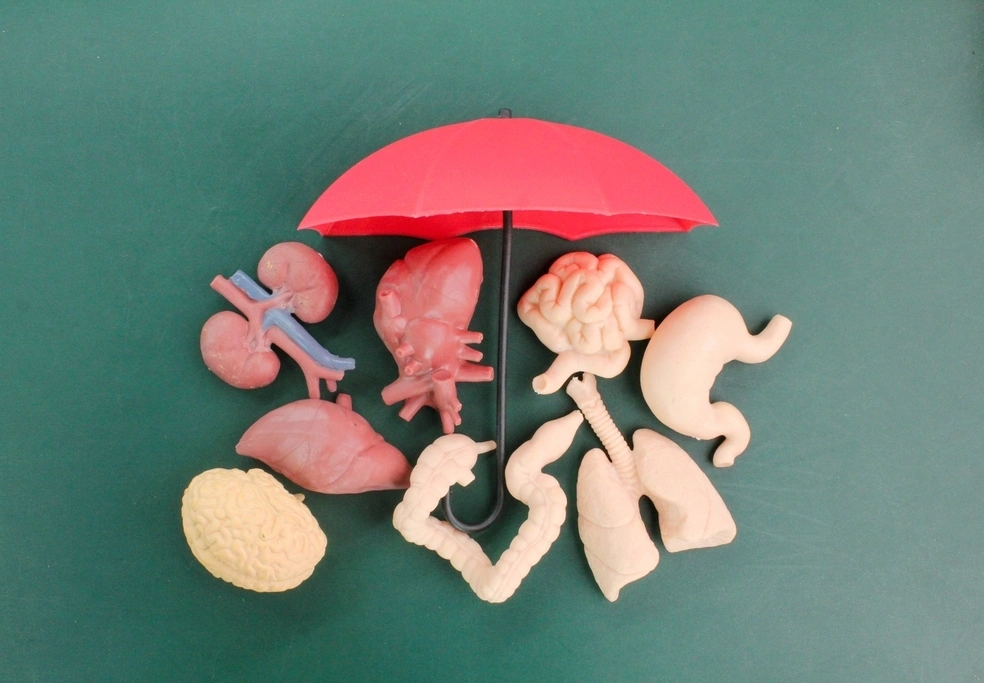
Organ donation is a life-saving act when performed voluntarily. Selling organs or pressuring donors violates Shariah principles. Scholars from the Islamic Fiqh Academy stress that any form of organ commercialization is haram, while ethical, altruistic donation is highly encouraged. Protecting donors from exploitation ensures compliance with Islamic law and promotes public trust in medical systems.
Ethical Medical Practice in Islam
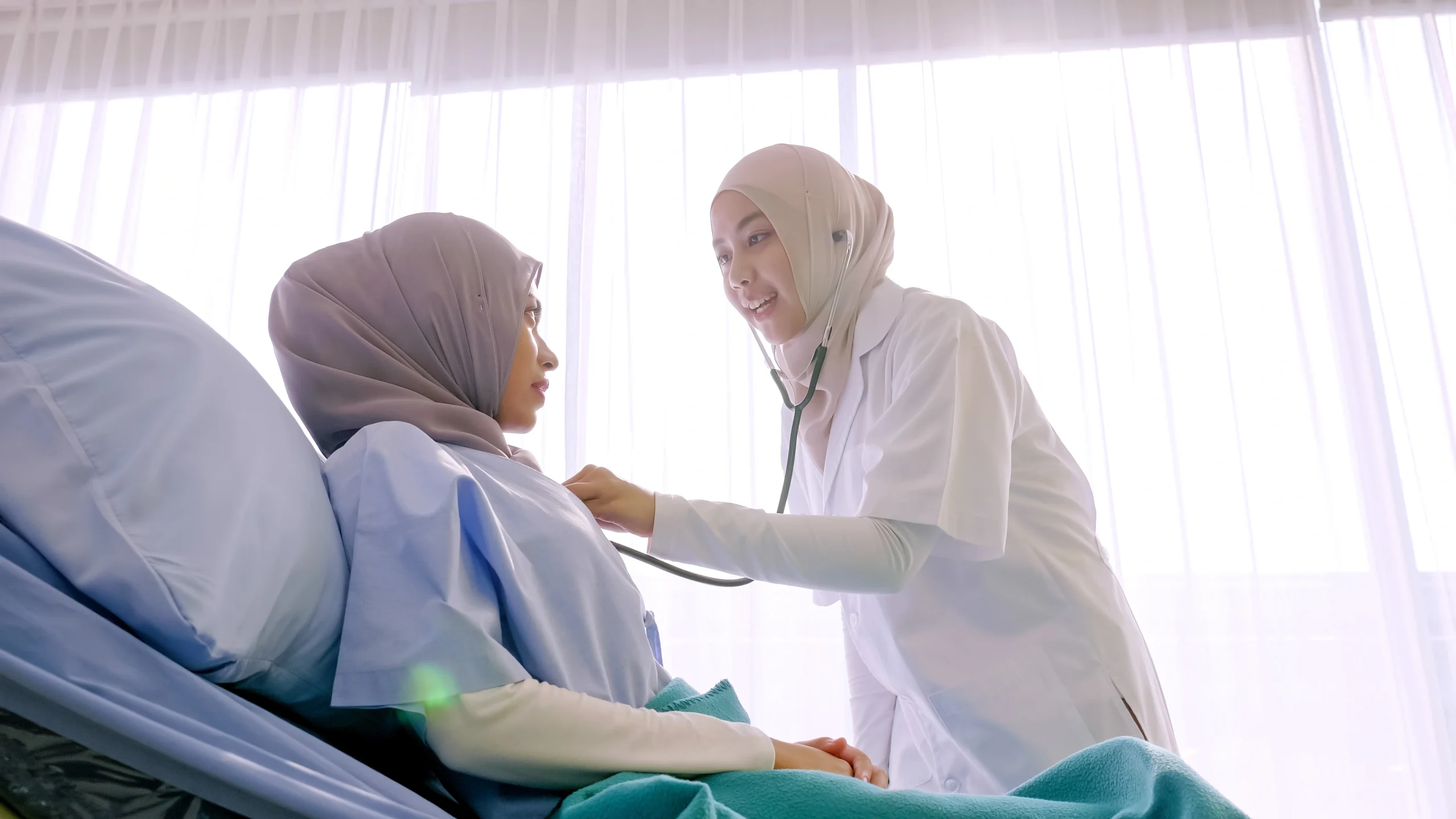
Islam mandates that medical procedures, including organ donation, be conducted safely, ethically, and fairly. Hospitals must ensure:
- Informed consent is obtained without pressure or deception.
- Donors and recipients are treated with respect and dignity.
- Financial incentives do not influence life-saving procedures.
- Medical and religious oversight confirms compliance with ethical and Shariah standards.
Preventing Exploitation Through Regulation
Legal frameworks, hospital protocols, and religious guidance work together to prevent exploitation. National organ registries, ethical review boards, and digital documentation ensure transparency, accountability, and equitable access to medical services. Muslim communities are encouraged to follow these regulations to maintain ethical integrity.
Practical Example
A living kidney donor may wish to donate altruistically to a patient in need. Hospitals ensure that the donor fully understands the risks, consents voluntarily, and does not receive financial inducement. Religious authorities provide guidance, confirming that the donation is ethically sound and Shariah-compliant, demonstrating Islam’s commitment to preventing exploitation while saving lives.
Conclusion
Islam’s stance against exploitation in medicine safeguards human dignity, protects vulnerable populations, and ensures ethical, Shariah-compliant medical practices. Organ donation, when conducted voluntarily and ethically, aligns with these principles. By adhering to transparent procedures, informed consent, and religious guidance, Muslims can participate in medical interventions responsibly, avoiding exploitation while fulfilling moral and spiritual obligations.