




Mercy as a Core Value
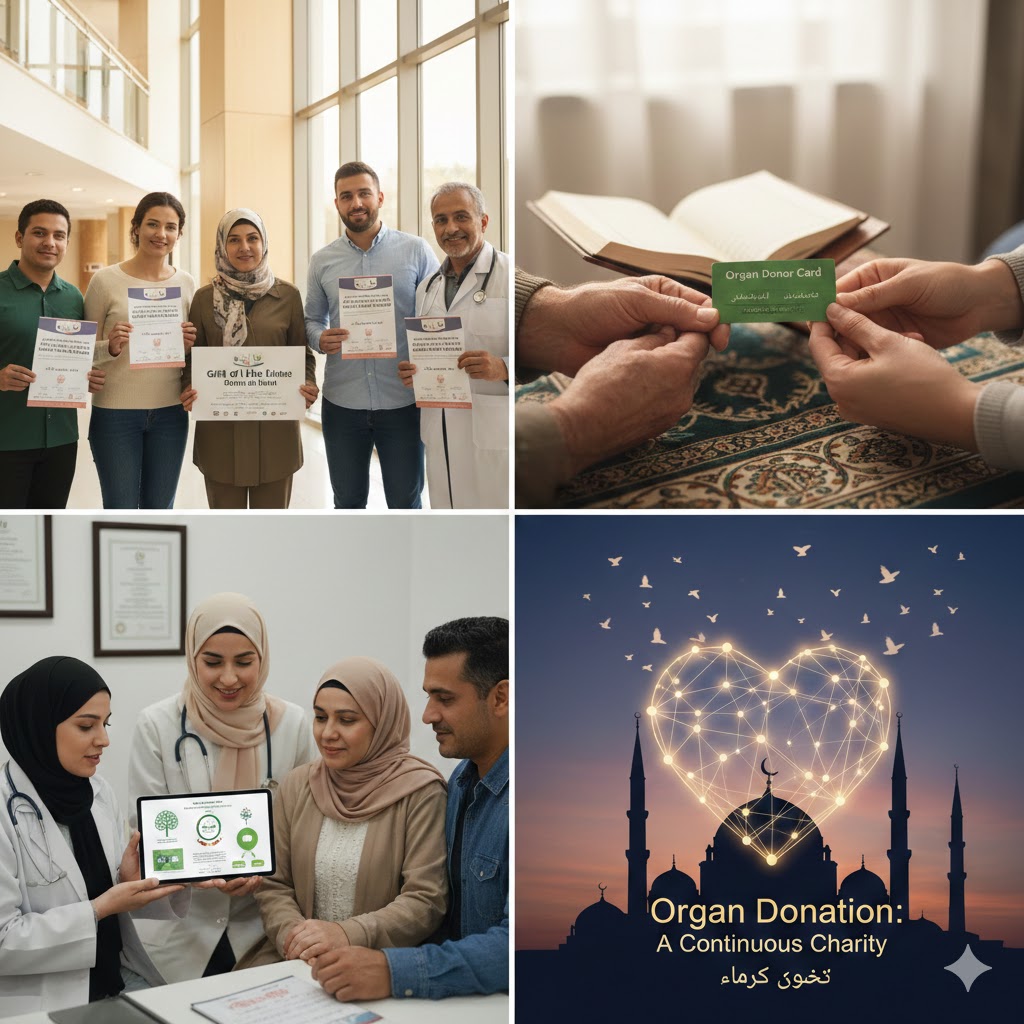
Mercy (rahmah) is a central theme in Islam, shaping both personal behavior and communal responsibilities. The Quran describes Allah as “the Most Merciful” and encourages believers to emulate this attribute. Organ donation exemplifies mercy in action, allowing individuals to alleviate suffering and preserve life. It transforms compassion from an abstract virtue into tangible, life-saving outcomes.
Compassion Through Medical Action
Modern medicine provides unprecedented opportunities for Muslims to express mercy practically. Organ transplantation can save lives in critical situations, reflecting the Quranic encouragement to act in kindness toward others. Scholars emphasize that such interventions fulfill both ethical obligations and religious mandates, as preserving life is a direct reflection of Islamic compassion.
Ethical Considerations and Mercy
Islamic ethics stress balancing benefit and harm. Organ donation, when conducted under proper medical supervision, maximizes benefit by saving lives while minimizing harm to donors. This careful assessment aligns with Islamic principles of maslahah (public benefit) and darurah (necessity), ensuring that compassion is exercised responsibly. The Islamic Fiqh Academy has consistently affirmed that actions aimed at preserving life are aligned with these principles.
Community Implications of Mercy
Organ donation also fosters communal well-being. By encouraging compassionate action, communities reinforce social cohesion and ethical responsibility. Religious leaders can play a pivotal role in raising awareness and guiding families to consider organ donation as an expression of mercy and service to humanity. Educational resources such as Sound Vision offer practical guidance for integrating faith-based values with medical action.
Living and Deceased Donations
Both living and posthumous donations are means to express mercy. Living donors act with conscious intention to alleviate suffering, while deceased donors provide life-saving organs that continue the charitable act beyond death. In both cases, Islamic teachings emphasize that the sincerity of intention enhances spiritual reward and aligns with divine guidance.
Overcoming Misconceptions
Some may perceive organ donation as violating bodily sanctity or posthumous respect. Islamic scholars clarify that preserving life and exercising mercy outweigh these concerns. By consulting religious authorities and following medical protocols, donors and families ensure that their compassionate actions are fully compliant with Shariah, transforming potential doubt into informed, ethical decision-making.
Conclusion
Organ donation epitomizes mercy in Islam, providing a clear avenue for believers to translate compassion into meaningful action. By saving lives, alleviating suffering, and supporting community welfare, Muslims embody the Quranic ideal of mercy. This alignment of faith, ethics, and modern medical practice underscores that true compassion in Islam is active, deliberate, and life-affirming. Resources like Sound Vision and the Islamic Fiqh Academy provide further guidance for those seeking to act mercifully through organ donation.