




Modern Jurisprudential Perspectives
Contemporary Islamic scholars have addressed the challenges and opportunities presented by modern medical technologies, including organ transplantation. Unlike classical jurists, they must consider complex procedures such as brain death criteria, living organ donation, and posthumous retrieval. Their rulings reflect a nuanced understanding of medical science while remaining firmly grounded in Shariah principles.
Permissibility Under Necessity
Most contemporary scholars agree that organ donation is permissible when it preserves life. This falls under the legal maxim al-darurat tubih al-mahzurat (necessities permit the prohibited). Institutions like the Islamic Fiqh Academy have issued fatwas supporting both living and posthumous donations, emphasizing proper consent, medical supervision, and the ethical obligation to save lives.
Brain Death and Ethical Debate
One area of debate involves defining death. Modern medicine recognizes brain death as a criterion for organ retrieval, but some scholars were initially cautious. Contemporary rulings largely accept brain death under strict medical protocols, considering it equivalent to legal death for the purpose of organ donation. This demonstrates the adaptive approach of modern scholars, balancing scientific understanding with Islamic ethics.
Living Organ Donation
Living organ donation, such as kidney or liver transplants, requires careful ethical evaluation. Scholars emphasize that donors should not suffer undue harm and that the act must be voluntary. This perspective aligns with the Quranic principle of preserving human dignity and life simultaneously. Educational resources like Sound Vision guide both donors and families on complying with these ethical requirements.
Posthumous Organ Donation
Contemporary scholars also provide detailed guidance on posthumous donation. They stress family consultation, informed consent, and respect for the deceased’s body. These rulings ensure that donations are not only legally permissible but ethically sound, reflecting Islamic values of compassion, mercy, and communal responsibility.
Ethical and Community Impact
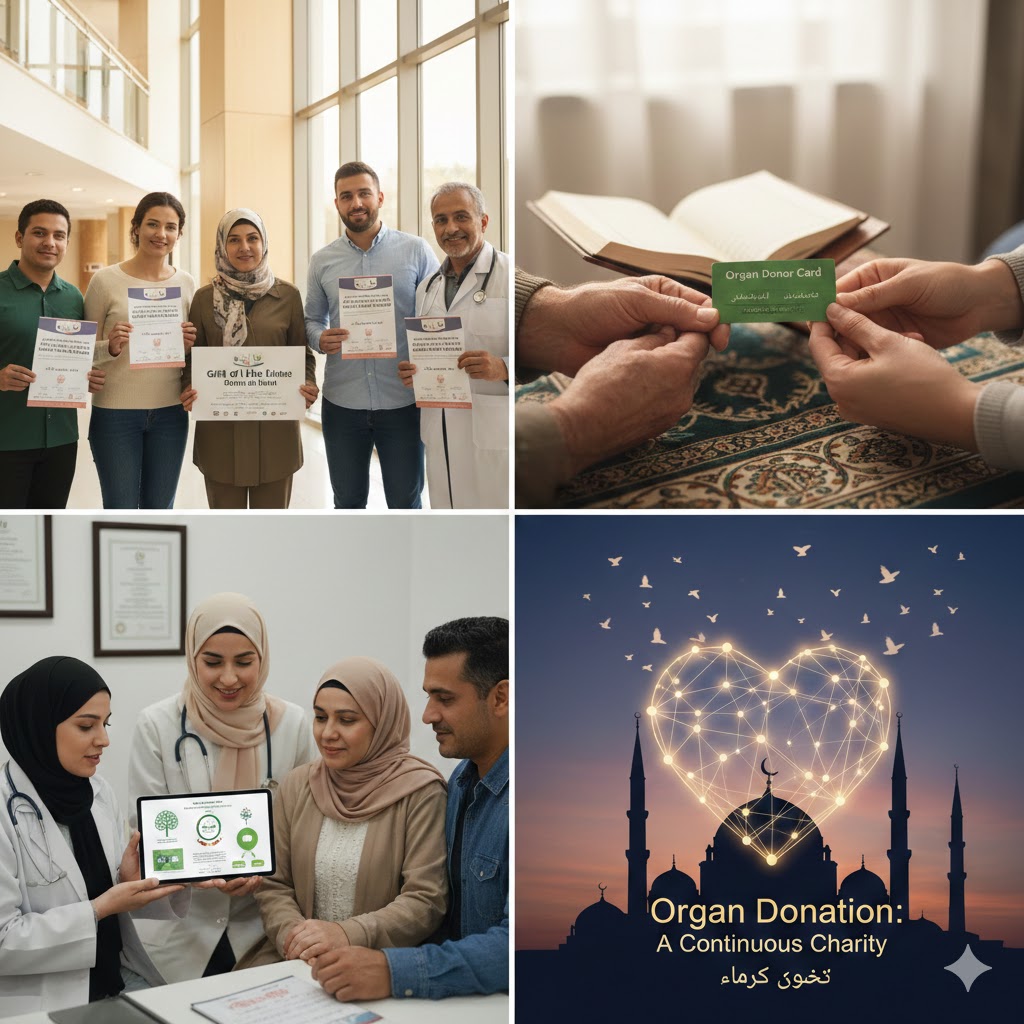
By endorsing organ donation, contemporary scholars encourage Muslims to participate in life-saving medical initiatives. Community education programs, mosque-based seminars, and awareness campaigns help bridge the gap between traditional ethics and modern medicine. Scholars emphasize that organ donation is not just an individual act but a communal responsibility that promotes public welfare.
Conclusion
Contemporary Islamic scholars provide critical guidance that reconciles modern medical possibilities with Shariah principles. Their rulings on organ transplantation, brain death, and living donation enable Muslims to act ethically, responsibly, and compassionately. These interpretations ensure that faith and modern medicine work together to preserve life, uphold human dignity, and fulfill the Islamic duty of mercy.