





Introduction to the Islamic Fiqh Academy
The Islamic Fiqh Academy (IFA) is a leading body that issues scholarly rulings on contemporary issues, bridging classical Islamic jurisprudence with modern challenges. One of its key contributions has been providing guidance on organ donation, a topic that raises complex medical, ethical, and religious questions. The Academy’s rulings are widely respected among Muslims worldwide, serving as a reference for both scholars and medical practitioners.
Permissibility of Organ Donation
The IFA affirms that organ donation is permissible under Islamic law when it aims to save a life. This principle is based on the Quranic mandate to preserve life and prevent harm, as outlined in Surah Al-Ma’idah 5:32. The Academy emphasizes that the act must be voluntary, informed, and conducted with medical oversight. Both living and posthumous donations are recognized, provided that the process respects ethical and religious guidelines.
Conditions for Compliance
The IFA specifies several conditions to ensure organ donation aligns with Shariah principles. Consent is mandatory, either from the donor or their family if the donor is deceased. The donation must not endanger the donor’s life, and the retrieval process should preserve the dignity of the human body. These rulings reflect a careful balance between the sacredness of the body and the moral imperative to save lives.
Guidance on Brain Death
The Academy acknowledges brain death as a valid criterion for organ retrieval when determined by qualified medical professionals. This perspective provides clarity for hospitals and families considering posthumous donations, ensuring that life-saving procedures are both ethically and religiously acceptable. Resources such as Sound Vision explain how these rulings are applied in practical scenarios, guiding Muslims through the decision-making process.
Impact on Muslim Communities
The IFA’s rulings have significantly influenced Muslim communities around the world. Hospitals, religious institutions, and health organizations use these guidelines to develop protocols that respect Islamic ethics. By combining medical science with Shariah compliance, the Academy has enabled greater participation in organ donation programs, promoting awareness, compassion, and life-saving interventions.
Educational and Community Outreach
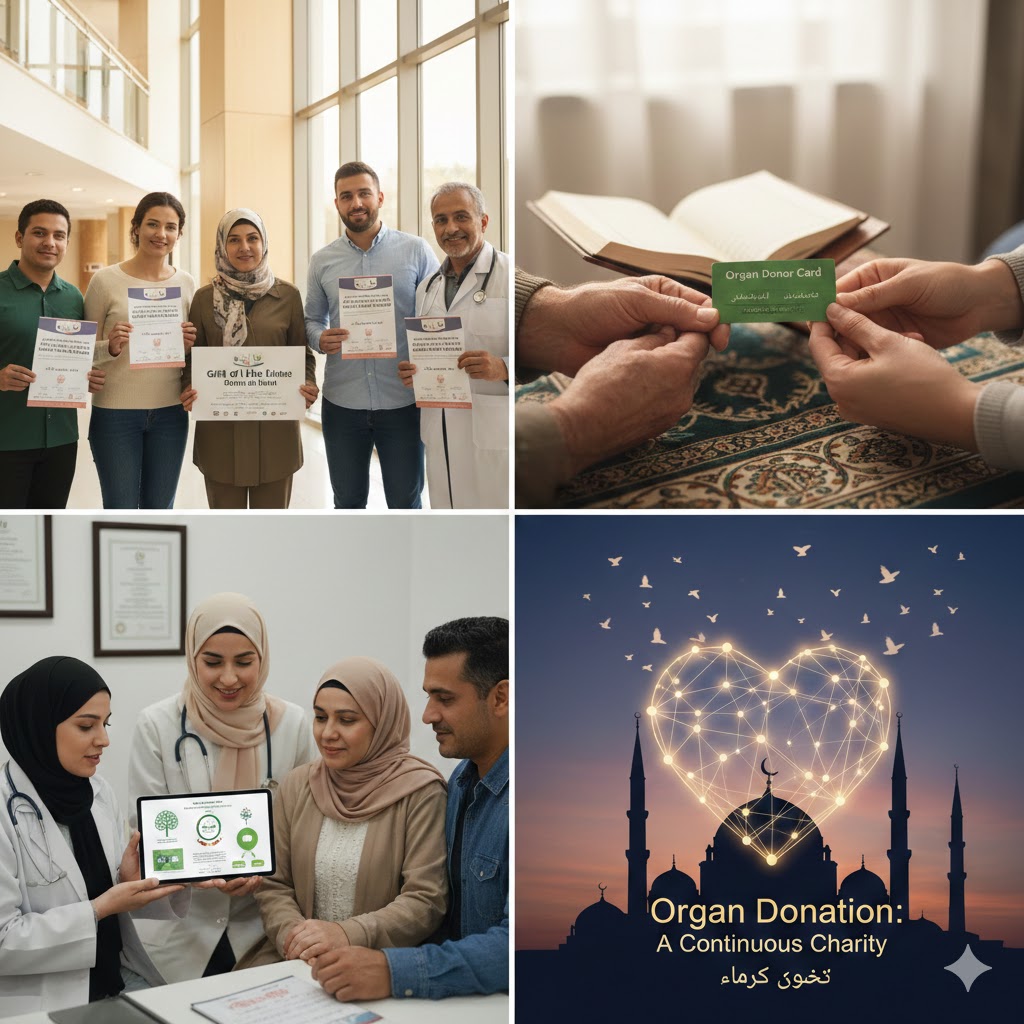
The Academy encourages educational initiatives to inform both Muslims and healthcare providers about the ethical and religious foundations of organ donation. Mosque seminars, community workshops, and online resources help disseminate these rulings, empowering families to make informed decisions. Platforms like Islamic Fiqh Academy official site provide comprehensive details on rulings, conditions, and best practices.
Conclusion
The Islamic Fiqh Academy’s rulings provide clear, authoritative guidance on organ donation, balancing the sanctity of the human body with the moral duty to save life. By following these directives, Muslims can engage in life-saving interventions ethically and responsibly. The Academy’s work demonstrates how contemporary medical practice and Islamic jurisprudence can harmoniously coexist, offering practical solutions rooted in faith and compassion.