

The Sacredness of the Human Body
Islam teaches that the human body is a sacred trust from Allah, deserving respect during life and after death. The Quran and Hadith emphasize human dignity and the sanctity of the body, forming the foundation for medical ethics in Islam. This principle ensures that any medical intervention, including organ donation, must prioritize respect for the individual while upholding ethical standards.
Guidance from Quran and Hadith
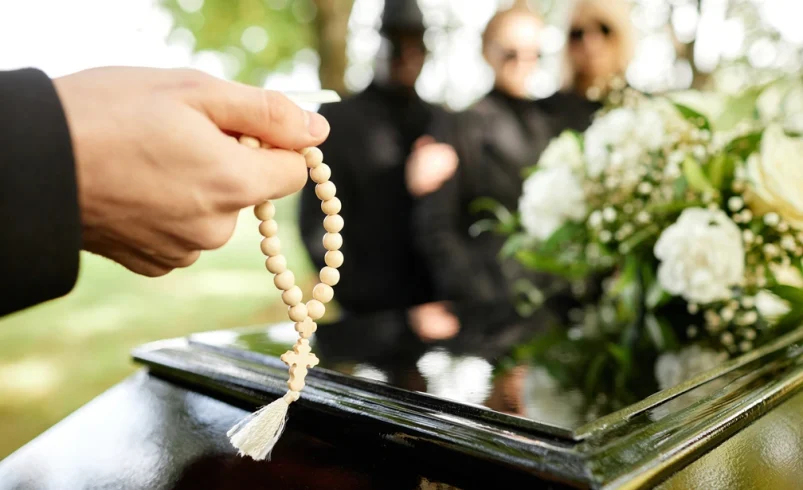
The Quran states that Allah created humans in the best form and endowed them with dignity (Surah Al-Isra 17:70). The Prophet Muhammad (peace be upon him) reinforced this by instructing that the deceased should be treated with care, washed, shrouded, and buried respectfully. These teachings guide Muslims in preserving bodily honor, even when considering medical procedures like organ transplantation.
Bodily Integrity and Medical Ethics
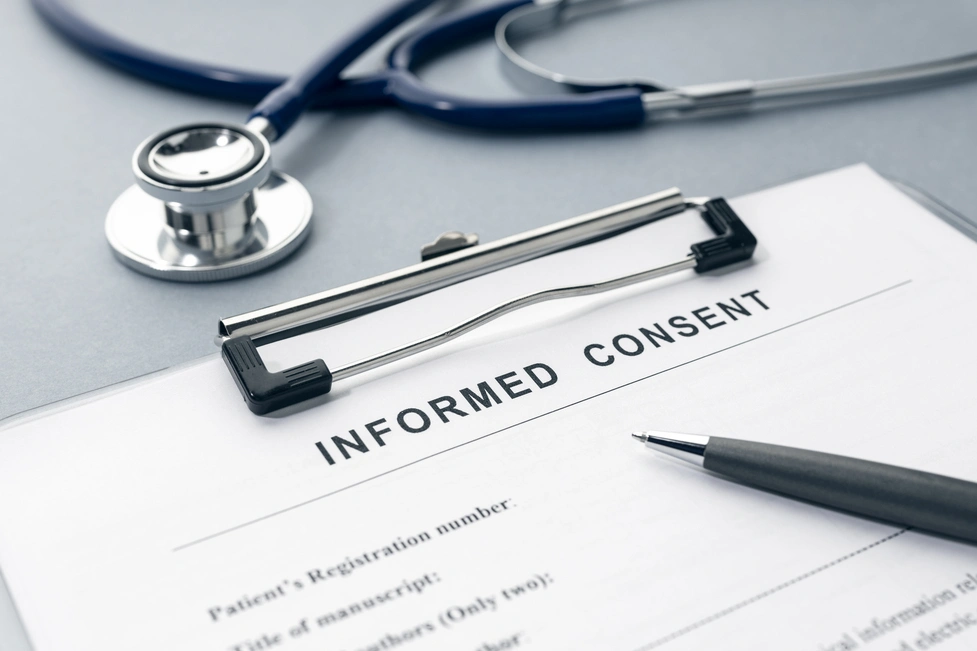
Respecting bodily integrity does not conflict with life-saving interventions. Islamic jurisprudence recognizes exceptions under necessity (darurah), allowing actions that preserve life, even if they involve altering the body. This principle forms the ethical basis for organ donation, where saving a life justifies procedures that might otherwise be restricted. Scholars highlight that the intention (niyyah) is critical in ensuring that the act remains ethically and religiously sound.
Living and Deceased Donations
Living donors are guided to ensure their own health is not compromised. Deceased donors are treated with dignity, and organ retrieval must follow ethical medical standards. Institutions such as the Islamic Fiqh Academy provide rulings that reconcile the sanctity of the body with the imperative to save lives, ensuring both ethical compliance and religious adherence.
Balancing Honor and Compassion
The honor of the human body is preserved when medical interventions serve a greater good. Organ donation embodies compassion, mercy, and service to humanity, all of which are core Islamic values. By following ethical and religious guidelines, Muslims can uphold dignity while contributing to the life-saving potential of modern medicine.
Community Awareness and Ethical Guidance
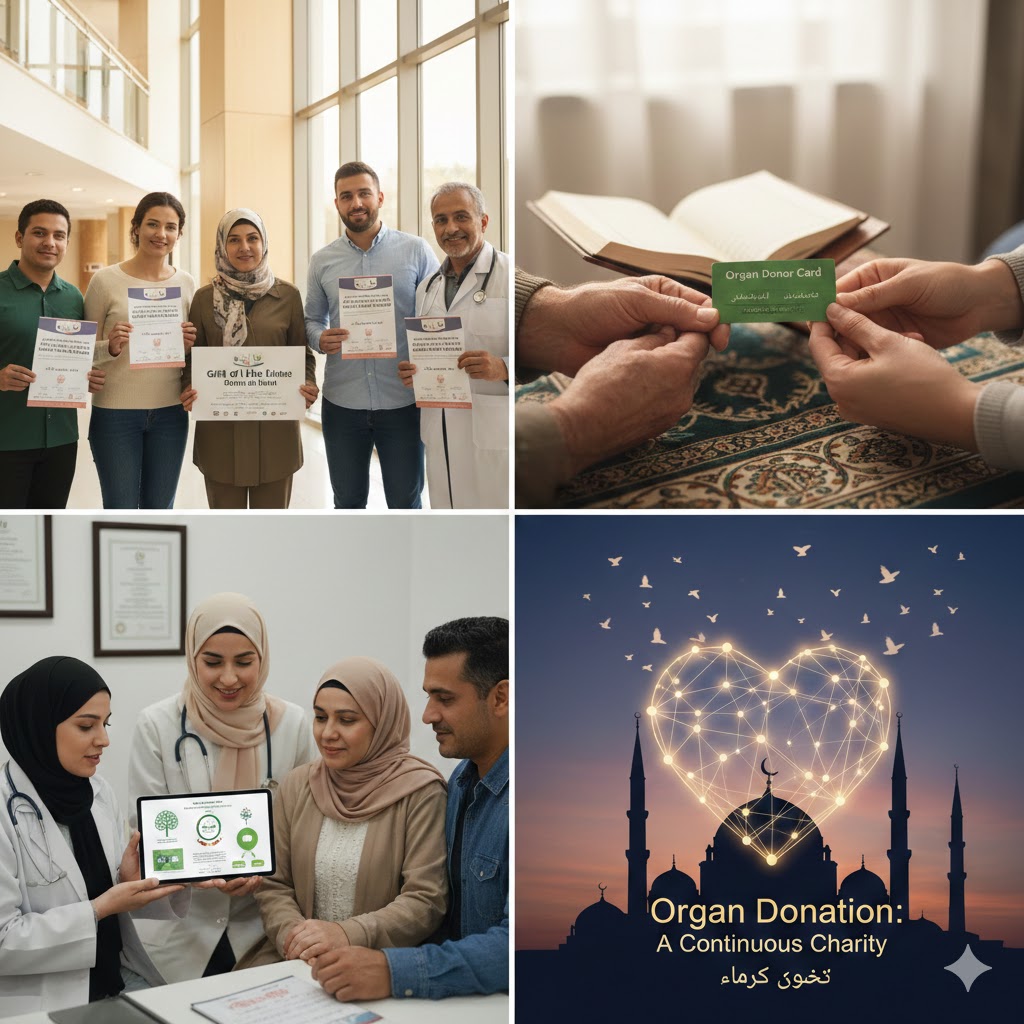
Muslims are encouraged to seek guidance from scholars, healthcare providers, and educational platforms to navigate organ donation responsibly. Resources such as Sound Vision offer comprehensive guidance for families and individuals, combining ethical, religious, and medical perspectives. Community education fosters understanding, reduces misconceptions, and promotes informed decision-making.
Conclusion
The honor of the human body in Islam is a guiding principle that shapes medical ethics and ethical organ donation. By balancing bodily sanctity with the moral duty to save lives, Muslims can approach organ donation confidently, maintaining dignity while acting compassionately. Ethical guidance, scholarly rulings, and community awareness ensure that modern medical interventions reflect Islamic values of respect, mercy, and service to humanity.