

The Importance of Respecting the Deceased
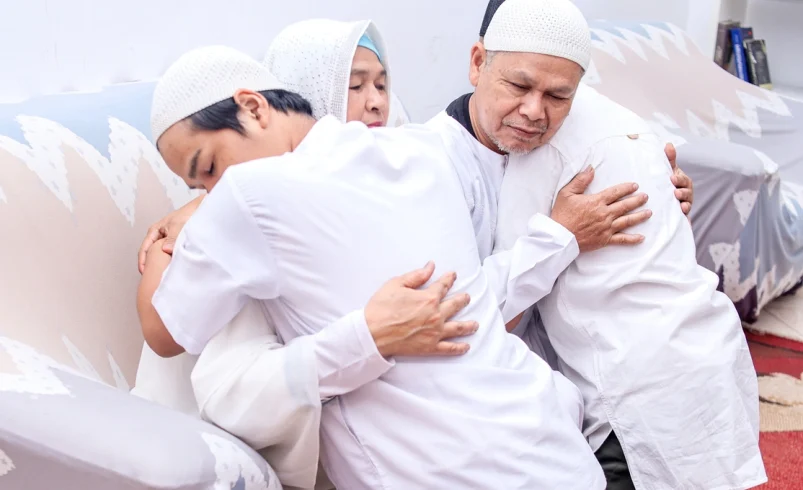
Islam places immense emphasis on treating the deceased with dignity. The Quran and Hadith guide Muslims on proper handling, burial, and remembrance. Respecting the dead is not only a moral obligation but a spiritual duty, reflecting the sacredness of human life. These principles extend naturally to medical practices like organ donation, where posthumous interventions must honor both the deceased and Shariah requirements.
Islamic Guidelines for the Deceased
Prophetic traditions instruct washing, shrouding, and timely burial of the deceased. Mutilation, desecration, or unnecessary harm to the body is prohibited. This raises questions about posthumous organ donation. Scholars clarify that when life-saving procedures are necessary and consent is obtained, organ retrieval does not violate these principles. The act is ethically acceptable as long as the body is handled respectfully and the process is transparent. Resources like Sound Vision provide practical guidance for families navigating these decisions.
Consent and Ethical Procedures
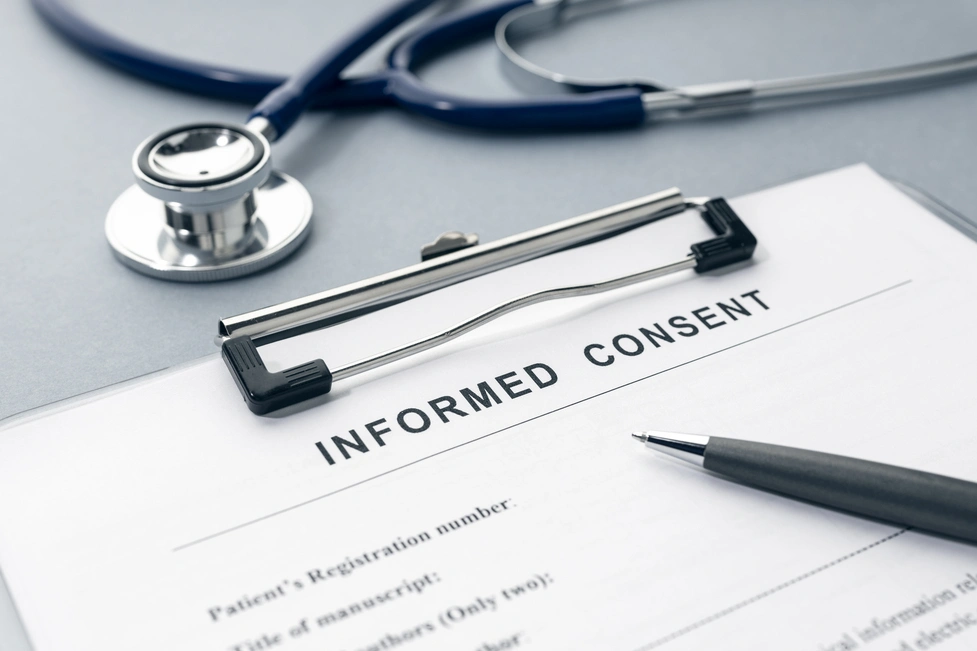
Consent plays a pivotal role. Explicit permission from the deceased prior to death or from immediate family members ensures that donation respects religious and moral obligations. Medical professionals are advised to follow strict protocols, maintaining the body’s dignity while performing life-saving interventions. Institutions such as the Islamic Fiqh Academy provide rulings clarifying how ethical standards align with Shariah compliance.
Reconciling Dignity with Life Preservation
While respect for the deceased is paramount, preserving life takes precedence in cases of necessity. Organ donation reflects this balance, where ethical retrieval serves a higher objective without undermining religious values. By consulting scholars and medical experts, families can navigate the process ethically, ensuring both spiritual and practical responsibilities are fulfilled.
Community Awareness and Education
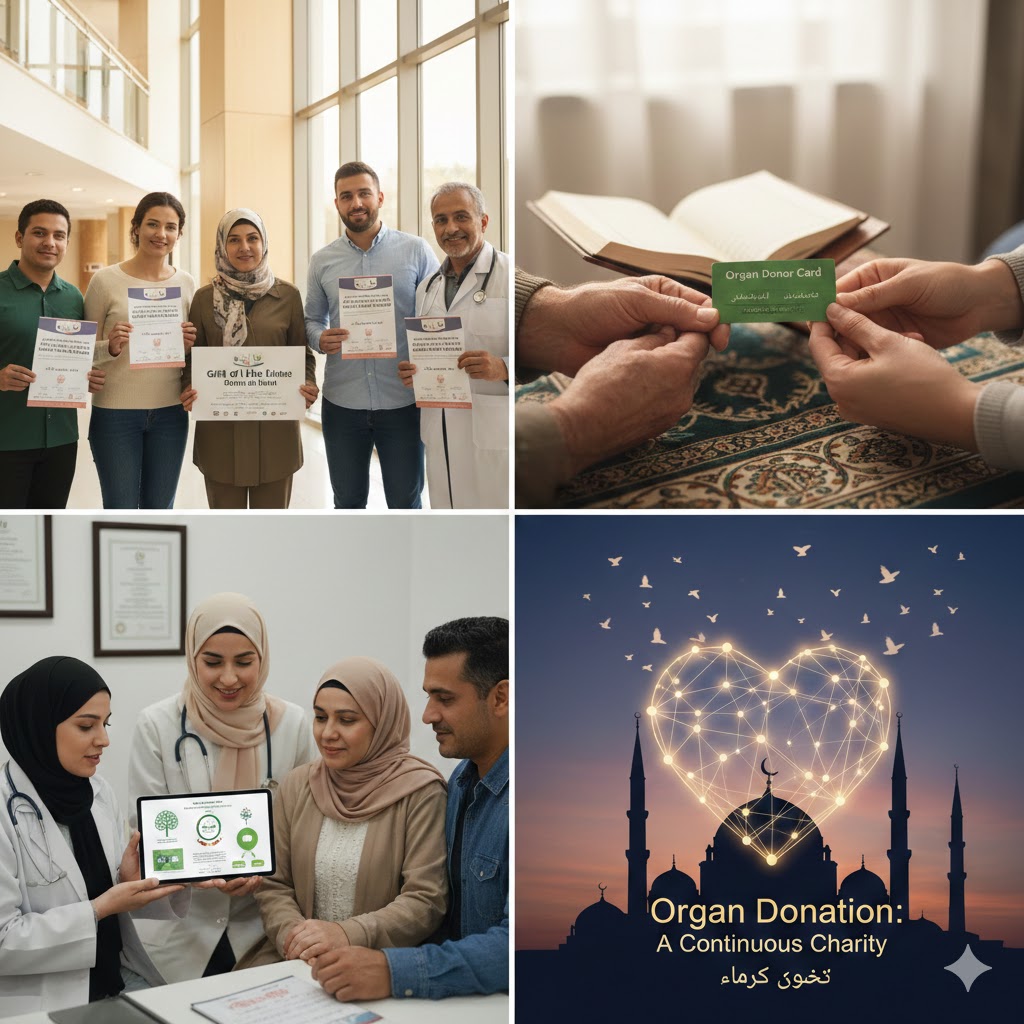
Educating Muslim communities about respectful organ donation is essential. Awareness campaigns in mosques, schools, and healthcare institutions help clarify misconceptions, demonstrating that organ donation honors the deceased while saving lives. These programs strengthen public understanding, ensuring ethical compliance and promoting compassion as a communal value.
Conclusion
Respecting the deceased in Islamic law is a fundamental principle that informs ethical organ donation practices. By adhering to consent protocols, ethical medical procedures, and Shariah guidance, Muslims can honor the deceased while participating in life-saving initiatives. Organ donation becomes a compassionate act that balances dignity, faith, and humanitarian responsibility, reflecting the holistic ethical vision of Islam.