



Post-Death Ethics in Islam
Islamic ethics extend beyond life, guiding behavior towards the deceased. Respect, care, and proper handling of the body are core principles. These post-death procedures ensure that the deceased is treated with dignity, maintaining both moral and spiritual obligations. Modern medical practices, including organ donation, must align with these ethical principles to remain Shariah-compliant.
Balancing Ethics and Medical Necessity
While the body must be treated with respect, Islamic law allows exceptions when preserving life is possible. Organ donation after death falls under this principle. Scholars stress that procedures must minimize harm, preserve dignity, and obtain consent. The Islamic Fiqh Academy provides detailed rulings supporting posthumous organ donation, emphasizing ethical compliance and life-saving objectives.
Consent and Family Guidance
Consent is a cornerstone of ethical post-death procedures. Explicit wishes of the deceased or family authorization ensure that organ retrieval respects both religious and moral standards. Healthcare providers are encouraged to follow transparent protocols, ensuring families are fully informed. Educational platforms like Sound Vision offer guidance for navigating these sensitive decisions within an Islamic framework.
Preserving Dignity During Organ Retrieval
Medical professionals must handle the body carefully, maintaining dignity while performing life-saving interventions. Ethical considerations include minimizing invasiveness, respecting religious rituals, and performing timely procedures. These measures ensure that post-death organ donation aligns with Islamic teachings while achieving the humanitarian goal of saving lives.
Community Awareness and Ethical Education
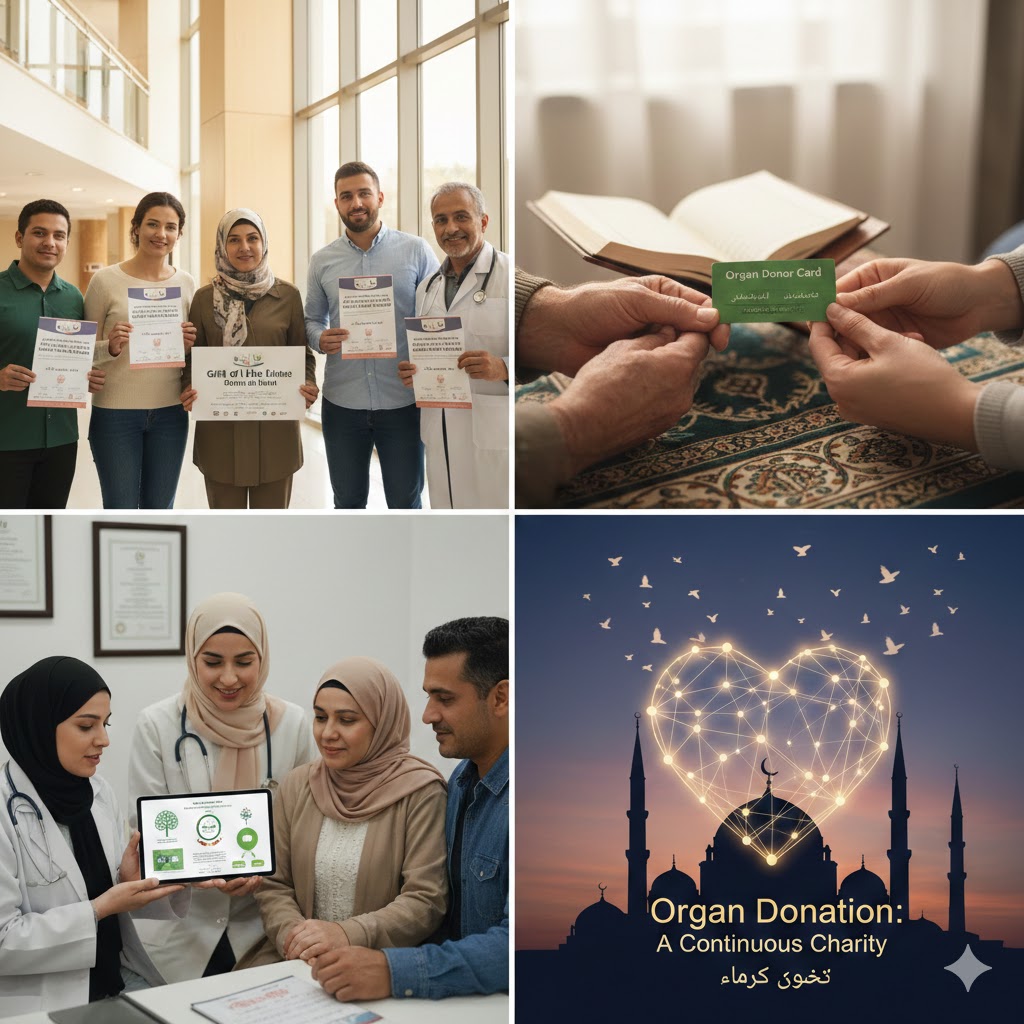
Islamic ethics encourage community engagement to promote understanding of post-death medical procedures. Mosques, religious schools, and healthcare institutions can educate families about the ethical, religious, and practical aspects of organ donation. Such initiatives foster trust, reduce misconceptions, and encourage responsible participation in life-saving programs.
Conclusion
Islamic ethics provide a clear framework for post-death procedures, balancing respect for the deceased with the moral imperative to save lives. By following consent protocols, ethical medical standards, and Shariah guidance, Muslims can participate in posthumous organ donation responsibly. This approach honors the deceased while promoting compassion, mercy, and communal welfare, reflecting the holistic ethical vision of Islam.