



The Centrality of Life in Islam
Preserving human life is one of the most fundamental objectives in Islamic law. The Quran emphasizes the sanctity of life, stating, “And whoever saves one life, it is as if he has saved all of humanity” (Surah Al-Ma’idah 5:32). This principle forms the foundation for ethical decision-making, guiding Muslims to act with compassion, mercy, and responsibility in situations that can save lives.
Life Preservation in Medical Ethics
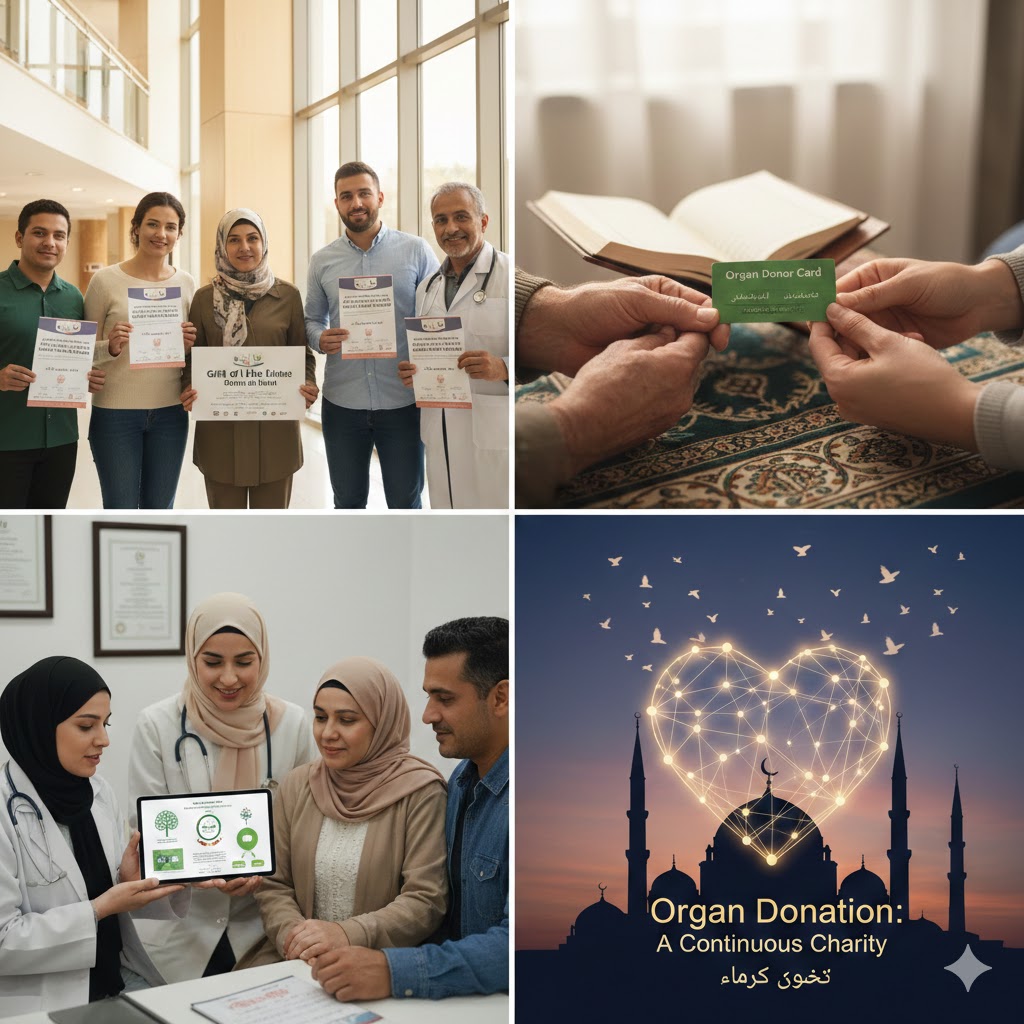
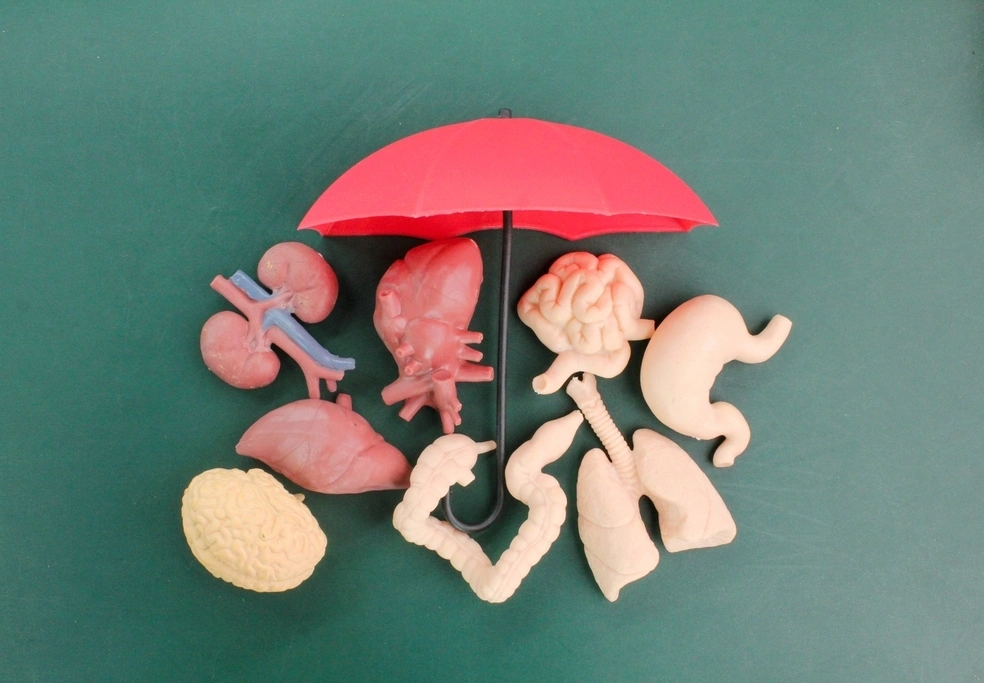
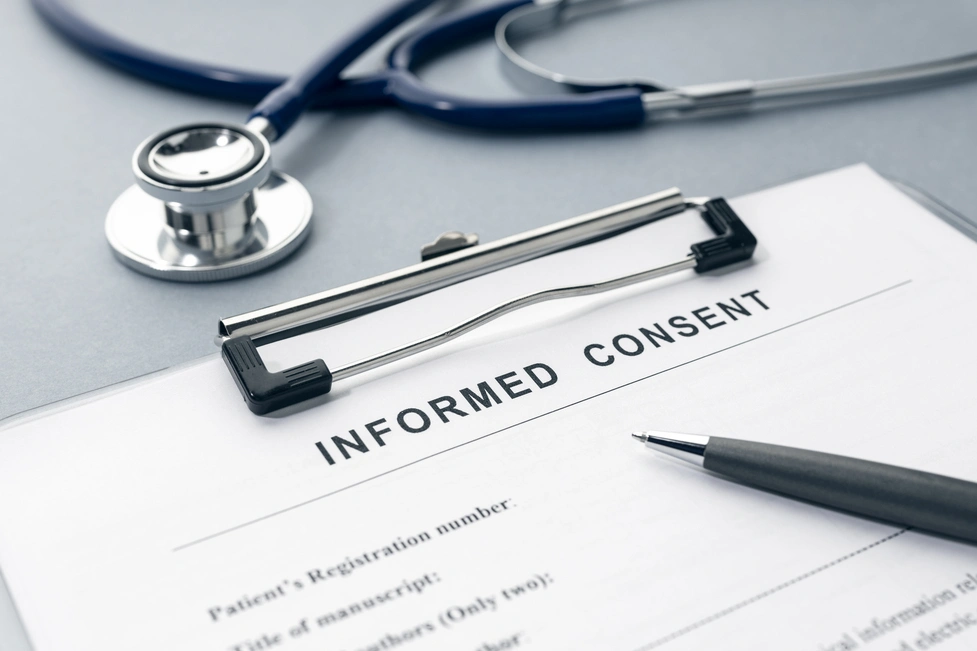
Modern medical practices, such as organ donation, align directly with this Islamic principle. Organ transplantation provides a mechanism to save lives that might otherwise be lost due to organ failure. Scholars affirm that such interventions are not only permissible but morally commendable when carried out ethically and with proper consent. Institutions like the Islamic Fiqh Academy provide guidelines ensuring that these medical practices comply with Shariah while prioritizing the preservation of life.
Legal Maxims Supporting Life-Saving Acts
Islamic jurisprudence recognizes the principle darurah tubih al-mahzurat (necessities permit the prohibited), which justifies interventions that would otherwise be restricted if they save lives. This principle applies to organ donation, emergency medical procedures, and interventions that alleviate severe suffering. By adhering to these guidelines, Muslims can participate in life-saving initiatives without compromising ethical or religious standards.
Living and Deceased Donations
Both living and posthumous organ donations are considered life-preserving acts. Living donors must ensure their health is not jeopardized, while deceased donations require proper consent and respectful handling. Medical ethics combined with religious consultation ensures that life-saving interventions maintain both dignity and Shariah compliance. Platforms like Sound Vision provide practical guidance for donors and families to navigate these procedures responsibly.
Community Responsibility and Awareness
Preserving life is not only an individual duty but also a communal responsibility. Muslim communities are encouraged to educate members about the importance of life-saving measures, including organ donation and emergency medical interventions. Awareness campaigns in mosques, schools, and healthcare institutions help align community practices with Islamic values, fostering compassion and ethical responsibility.
Ethical Decision-Making
Muslims are encouraged to make informed, ethical decisions in life-saving situations. Consulting medical professionals, scholars, and trusted resources ensures that interventions comply with both religious and medical standards. By following these practices, individuals can act responsibly while fulfilling the Quranic mandate to protect life.
Conclusion
The preservation of life is a core Islamic objective, guiding ethical behavior and medical decision-making. Life-saving interventions such as organ donation reflect the Quranic principle of protecting humanity, harmonizing faith, ethics, and science. By prioritizing life, adhering to ethical standards, and engaging in community education, Muslims can fulfill both moral and spiritual responsibilities, embodying mercy, compassion, and respect for human dignity.