



The Concept of Sadaqah Jariyah in Islam
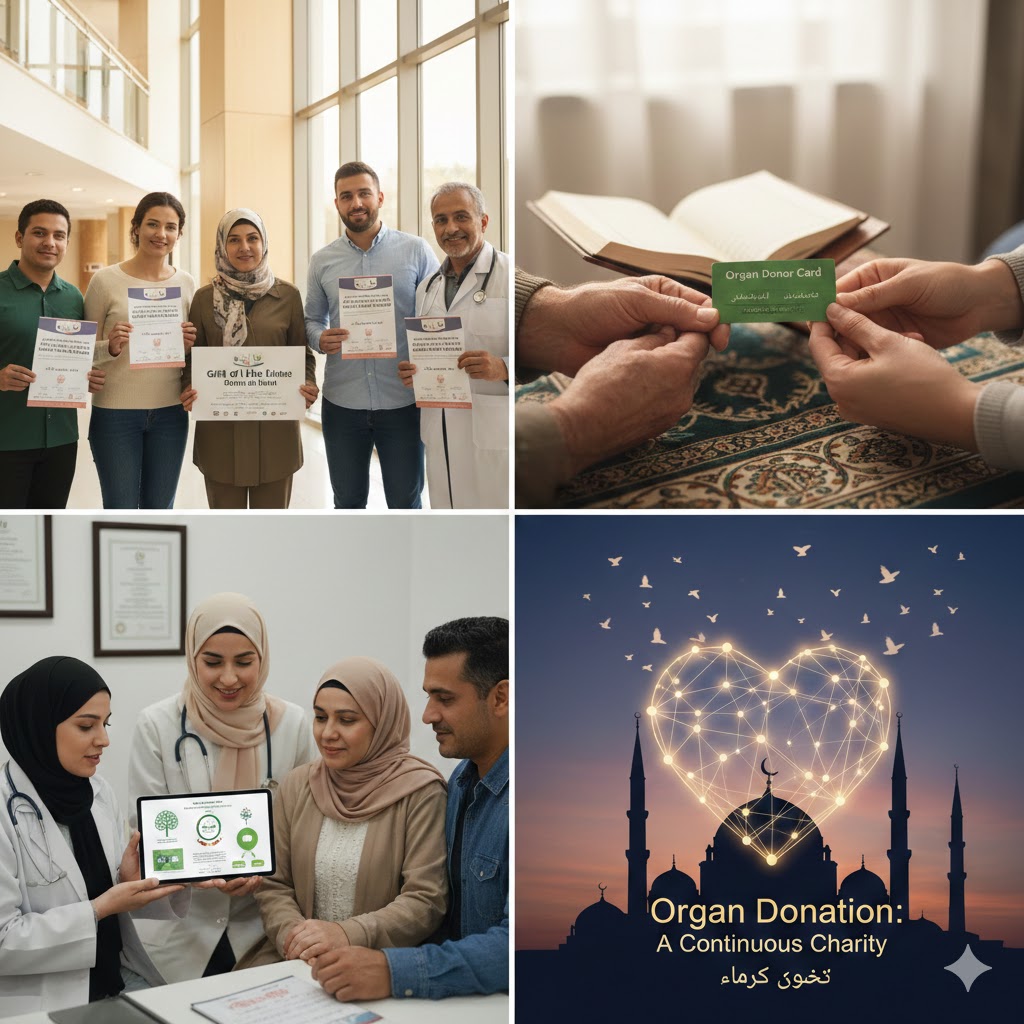
Sadaqah Jariyah refers to continuous charity, an act whose reward continues even after death. The Prophet Muhammad (peace be upon him) said, “When a man dies, his deeds come to an end except for three: ongoing charity, knowledge from which people benefit, or a righteous child who prays for him” (Hadith, Muslim). Organ donation perfectly embodies this concept because it saves lives, benefits society, and leaves a lasting impact.
Organ Donation as Continuous Charity
When a person donates an organ, either while living or posthumously, they directly preserve or improve another person’s life. This action creates ongoing benefits, as the recipient can continue to live a healthy and productive life. Scholars highlight that such acts fulfill the essence of sadaqah jariyah by providing long-term benefit and spiritual reward. Resources like Sound Vision explore how organ donation aligns with this Islamic principle.
Intentionality in Acts of Charity
In Islam, intention (niyyah) is central to the reward of any action. Donating an organ with the intention of saving a life transforms a medical procedure into a deeply spiritual act. Scholars emphasize that without sincere intention, the act may lose its religious significance. Therefore, ensuring that the donation is intended for the sake of Allah and to benefit others enhances its value as ongoing charity.
Living and Posthumous Donations
Both living and posthumous organ donations qualify as forms of sadaqah jariyah. Living donors experience immediate benefits for recipients, while posthumous donors continue to benefit others even after death. Proper consent, ethical procedures, and respectful handling ensure that the act remains morally and religiously commendable, aligning with Shariah principles.
Community and Educational Impact
Promoting awareness of organ donation as continuous charity encourages Muslims to consider it seriously. Educational programs, mosque seminars, and online resources can highlight the spiritual and social benefits of donation. Platforms like Islamic Fiqh Academy provide scholarly guidance on ethical donation practices and religious endorsement, helping families navigate decisions responsibly.
Spiritual and Ethical Significance
Organ donation embodies the core Islamic values of mercy, compassion, and altruism. By saving lives, donors contribute positively to society while accruing ongoing spiritual reward. This dual impact—ethical and spiritual—illustrates why organ donation is more than a medical act; it is a profound form of worship and social service, fulfilling the objectives of Shariah.
Conclusion
Organ donation can indeed be considered a form of sadaqah jariyah, providing long-lasting benefits to others while earning spiritual reward for the donor. By acting with sincere intention, following ethical procedures, and respecting Shariah guidance, Muslims can participate in life-saving initiatives that embody continuous charity, compassion, and mercy, leaving a lasting legacy of benefit to humanity.