




Understanding Niyyah in Islam
Intention (niyyah) is the essence of every action in Islam. The Prophet Muhammad (peace be upon him) said, “Actions are judged by intentions” (Hadith, Bukhari & Muslim). Without sincere intention, even the most outwardly good deeds may not carry spiritual reward. In medical ethics, including organ donation, intention determines whether an act is purely humanitarian, religiously significant, or both.
Intentionality in Organ Donation
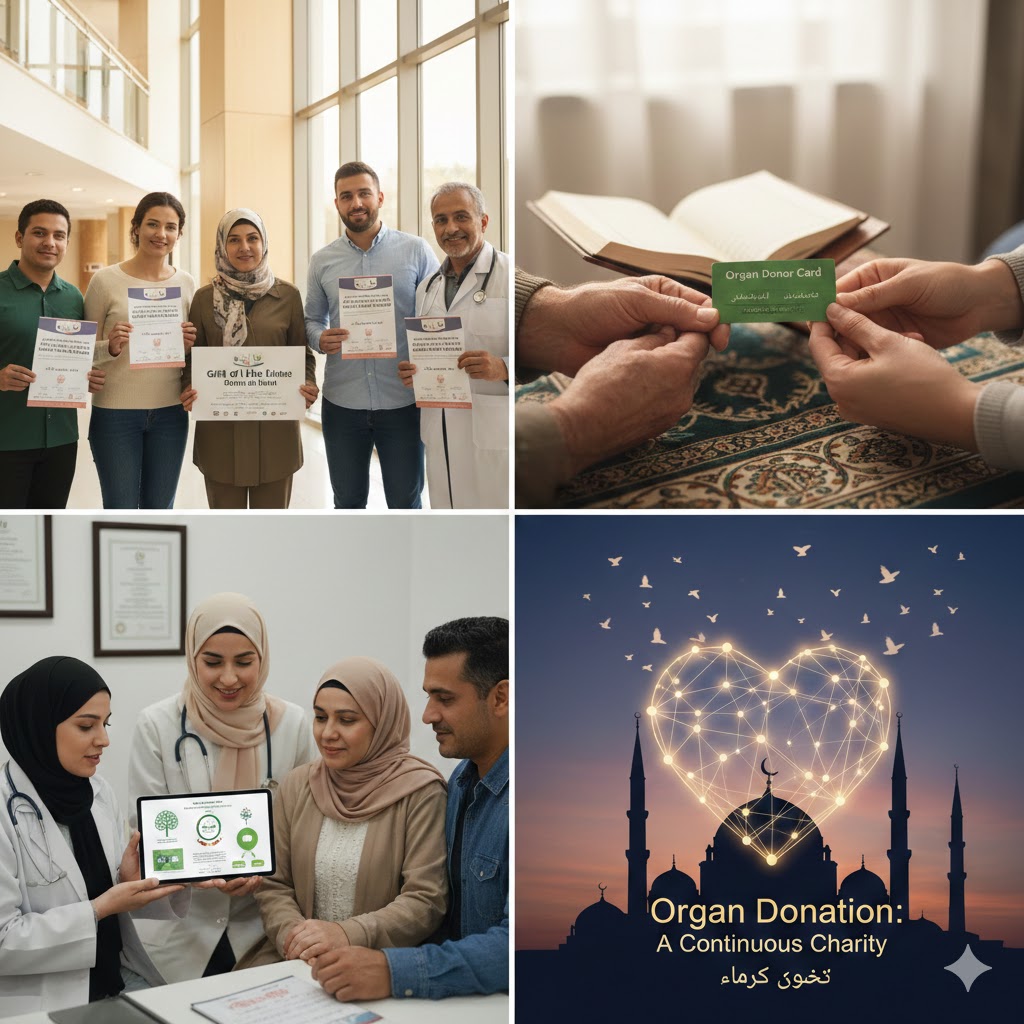
Organ donation with the intention of saving lives elevates the act beyond a medical procedure. It becomes a form of worship, a moral duty, and a spiritual investment. Scholars emphasize that the donor must consciously intend to benefit the recipient and seek Allah’s pleasure. Platforms like Sound Vision explain how integrating intention into organ donation transforms it into a spiritually rewarding act.
Distinguishing Between Motives
Not all acts of charity carry the same religious weight; intention distinguishes between selfish, societal, and spiritual motives. A donor who gives an organ solely for personal recognition may achieve social benefit but miss out on spiritual reward. Conversely, a sincere donor acting to save life aligns with both ethical and spiritual objectives, ensuring that the act resonates with the Quranic principle of compassion and mercy.
Living Donors and Intention
Living donors exemplify the critical role of intention. While undergoing surgery and risk, their conscious decision to save another’s life enhances the ethical and spiritual value of the act. Scholars stress that intention must be maintained from the planning stage through execution, ensuring that the donation fulfills the dual goals of medical necessity and spiritual reward.
Posthumous Donations and Legacy
Posthumous organ donations also benefit from proper intention. Donors can express their niyyah in advance through medical directives or wills, ensuring their actions continue to provide ethical and spiritual benefit after death. Educational resources like the Islamic Fiqh Academy highlight ways to document and formalize intention for posthumous donations.
Ethical and Spiritual Alignment
Intention links ethical behavior with spiritual outcomes. When organ donation is performed with sincere niyyah, it aligns with Islamic values of mercy, altruism, and service to humanity. Communities benefit from life-saving acts, and donors accrue ongoing spiritual reward. This dual alignment emphasizes the holistic nature of Islamic ethics in medical practices.
Conclusion
The role of intention in acts of charity, including organ donation, cannot be overstated. By acting with sincere niyyah, Muslims ensure that their medical contributions are ethically responsible and spiritually rewarding. Intention bridges the gap between human action and divine reward, making organ donation a profound expression of faith, compassion, and ethical responsibility.