




The Quranic Foundation of Life-Saving Rewards
Saving a life is among the highest forms of virtue in Islam. The Quran states, “Whoever saves a life, it will be as if they saved all of humanity” (Surah Al-Ma’idah 5:32). This verse underscores the immense spiritual significance of life-saving actions, emphasizing that ethical interventions, such as organ donation, carry profound rewards beyond the immediate humanitarian benefit.
Organ Donation as a Rewarding Act
Organ donation directly preserves or improves life, fulfilling the Quranic mandate to protect human life. Scholars emphasize that this act not only serves medical purposes but also earns spiritual reward, particularly when performed with sincere intention. Platforms like Sound Vision provide insights into how donating an organ can be a source of ongoing blessing (sadaqah jariyah) for the donor.
Living Donors and Spiritual Benefit
Living donors experience immediate ethical and spiritual fulfillment. Their voluntary sacrifice reflects mercy, compassion, and service to humanity—core Islamic values. Scholars stress that maintaining intention throughout the donation process ensures the act is rewarded both morally and spiritually, creating a lasting connection between human action and divine recognition.
Posthumous Donations and Eternal Reward
Even after death, donors can continue to benefit others and earn spiritual reward through posthumous organ donation. Proper documentation of consent, ethical medical procedures, and respectful handling amplify the spiritual significance. The Islamic Fiqh Academy highlights how these practices align with Shariah, ensuring that donors leave a legacy of compassion and service.
Intention, Mercy, and Ethical Conduct
Spiritual reward in Islam is closely linked to intention and ethical conduct. Acts of life-saving charity, performed with sincere niyyah, embody mercy and uphold human dignity. Ethical compliance, proper consent, and respect for both donors and recipients enhance the act’s spiritual value, demonstrating how faith, ethics, and medical practice intersect harmoniously.
Community Awareness and Encouragement
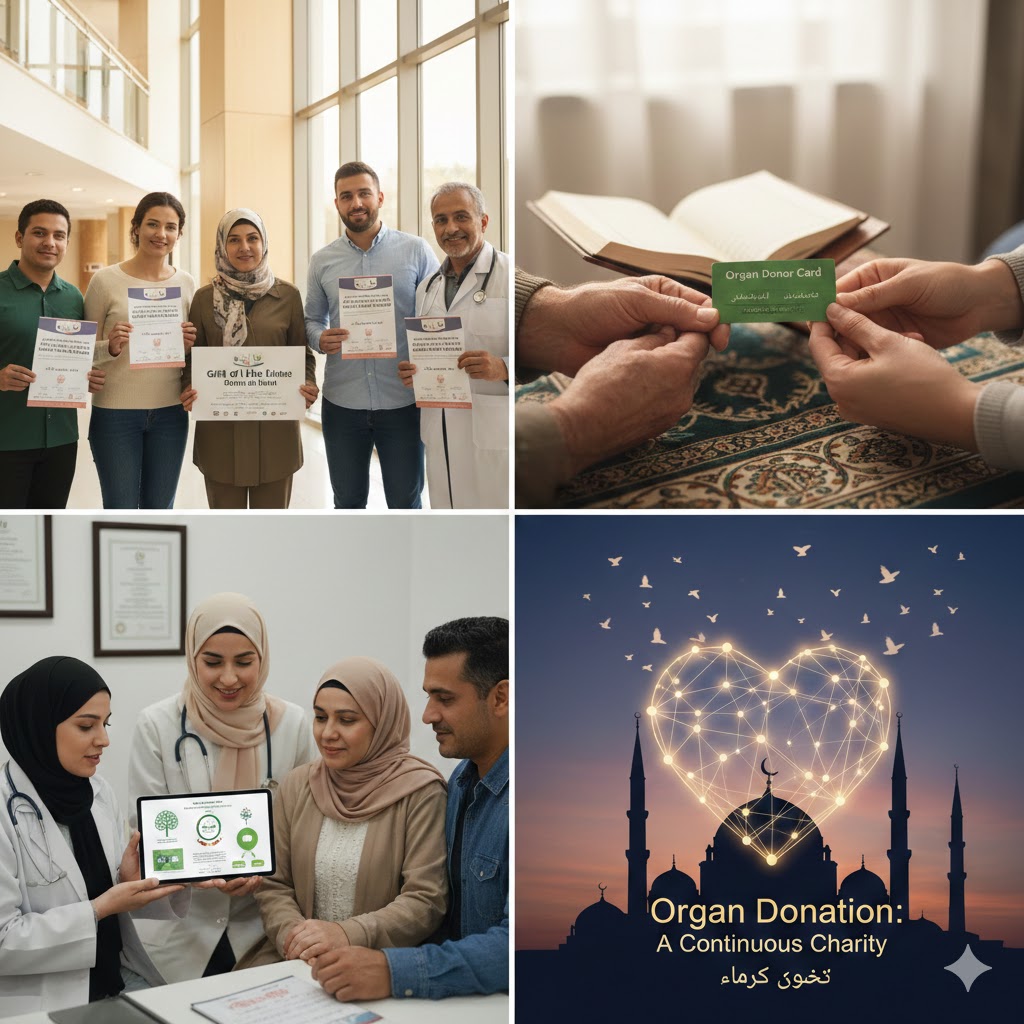
Promoting the spiritual rewards of saving lives can encourage Muslim communities to participate in organ donation initiatives. Awareness programs, mosque seminars, and online resources help educate individuals about the ethical, medical, and spiritual aspects of donation. This fosters a culture of compassion, mercy, and active service to humanity.
Conclusion
Saving a life, including through organ donation, carries immense spiritual reward in Islam. By combining ethical behavior, sincere intention, and respect for human dignity, Muslims can contribute to the welfare of others while earning ongoing divine reward. Life-saving acts thus reflect the holistic integration of faith, ethics, and compassion, leaving a lasting impact on both the world and the hereafter.