




The Hanafi Approach to Life Preservation
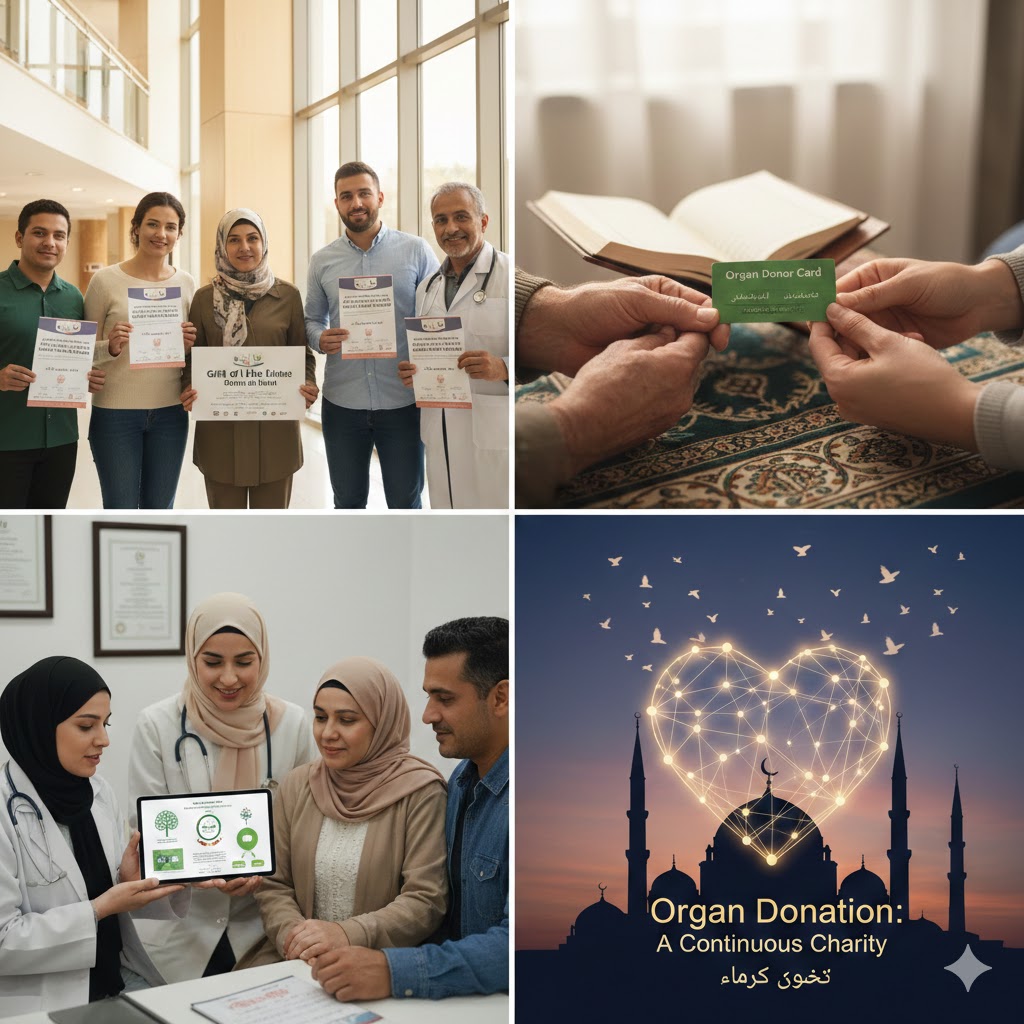
The Hanafi school of thought places great emphasis on preserving human life, considering it a paramount objective in Islamic jurisprudence. Derived from the Quranic directive, “Whoever saves a life, it is as though he has saved all of humanity” (Surah Al-Ma’idah 5:32), Hanafi scholars view life-saving interventions as not only permissible but morally commendable. This perspective forms the foundation for contemporary discussions on organ donation within the Hanafi framework.
Balancing Religious Duty and Medical Necessity
Hanafi jurists emphasize that necessity (darurah) can permit actions that would otherwise be restricted. Organ donation, whether living or posthumous, aligns with this principle when it preserves life. The act must comply with ethical standards, ensure the donor’s safety, and respect the dignity of the human body. Resources like Islamic Fiqh Academy provide detailed guidance on balancing Hanafi principles with modern medical practice.
Ethical Guidelines in Hanafi Jurisprudence
According to Hanafi scholars, organ donation is valid only under specific conditions: informed consent from the donor or family, no undue harm to the donor, and adherence to medical standards. The ethical framework ensures that the act preserves life without violating Shariah principles or compromising human dignity.
Living and Posthumous Donations
Living donations must safeguard the donor’s health, while posthumous donations require explicit consent and respectful handling of the body. Hanafi scholars reconcile bodily sanctity with the higher objective of saving life, allowing organ transplantation as a morally responsible act when these conditions are met. Guidance from platforms such as Sound Vision helps families navigate these ethical and religious considerations.
Community Implications
The Hanafi perspective encourages community awareness and participation in life-saving interventions. By educating communities on the ethical permissibility and spiritual value of organ donation, mosques and health institutions can promote informed decision-making while respecting Islamic principles.
Conclusion
Hanafi principles prioritize the preservation of life, providing a strong ethical and religious basis for organ donation. By adhering to consent protocols, safeguarding donor health, and following ethical guidelines, Muslims can engage in life-saving interventions confidently. The Hanafi approach demonstrates how classical jurisprudence can harmoniously integrate with modern medical practice, reflecting compassion, responsibility, and the sanctity of human life.