




The Principle of Necessity in Hanafi Fiqh
Hanafi jurisprudence recognizes the principle of necessity (darurah), allowing actions that are normally restricted when essential to save life. Organ donation exemplifies this principle, as the act may involve altering the human body but ultimately serves the higher objective of preserving life. This principle provides a balance between ethical obligations, religious duties, and medical requirements.
Respecting Human Dignity
While necessity permits certain actions, Hanafi scholars emphasize that human dignity must never be compromised. Organ retrieval must be conducted ethically, with informed consent, and in accordance with medical standards. Posthumous donations require respectful handling, ensuring that the deceased’s body remains honored while life-saving interventions proceed.
Application in Living Donations
Living donors exemplify the careful balance of necessity and dignity. Scholars stress that their health must not be jeopardized and that medical procedures follow strict ethical guidelines. Proper counseling, medical evaluation, and informed consent ensure that both donor safety and the moral objective of saving life are upheld. Platforms like Sound Vision provide practical guidance for implementing these principles.
Posthumous Donations and Ethical Oversight
For posthumous organ donation, Hanafi fiqh emphasizes consent, respectful treatment, and ethical medical procedures. Scholars reconcile the need to save life with the sacredness of the body, demonstrating that necessity does not override dignity but rather works in harmony with it. Ethical oversight ensures that these interventions are conducted responsibly and religiously appropriately.
Community Education and Awareness
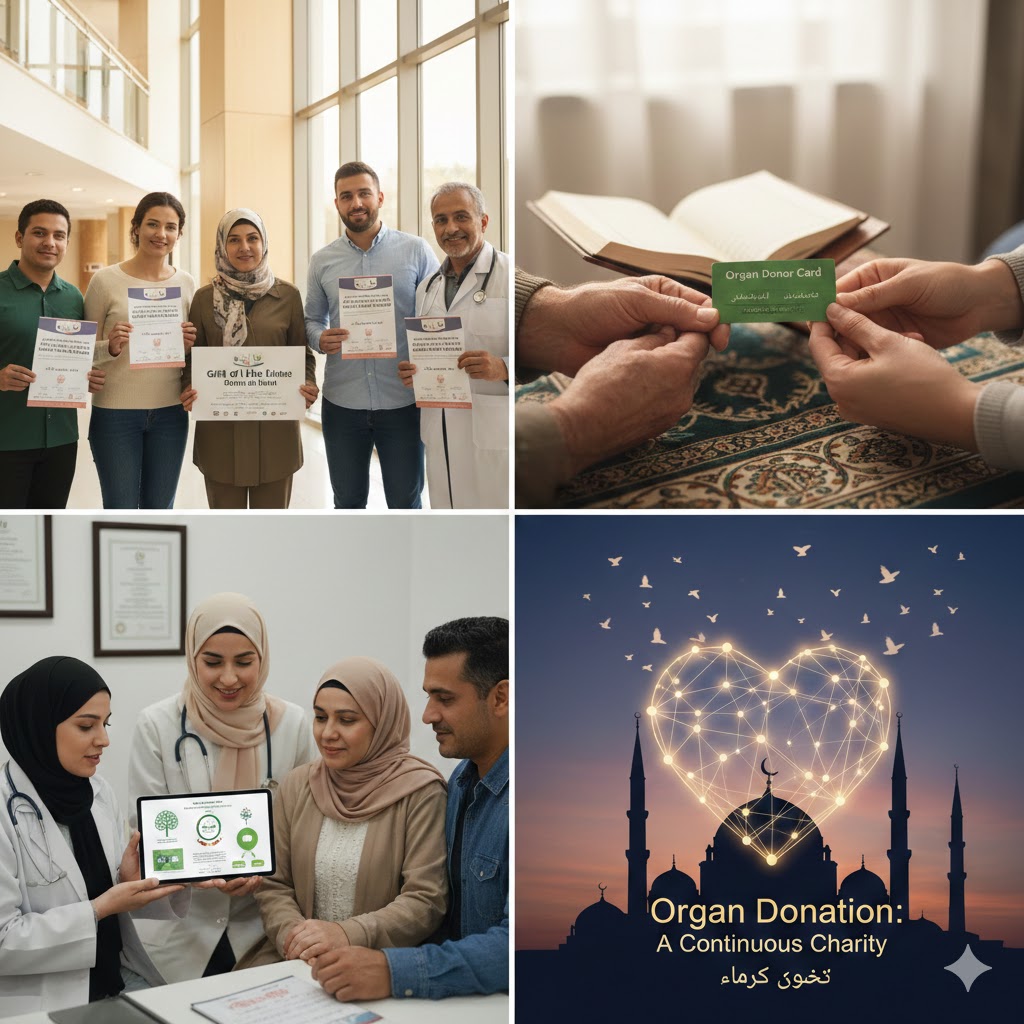
Educating Hanafi communities about balancing necessity and dignity fosters informed decision-making in organ donation. Mosques, educational institutions, and healthcare organizations can provide guidance, clarifying religious permissibility while encouraging participation in life-saving programs.
Conclusion
Balancing necessity and dignity in Hanafi fiqh provides a nuanced framework for organ donation. By adhering to ethical standards, ensuring consent, and maintaining respect for the human body, Muslims can engage in life-saving interventions responsibly. This approach exemplifies how classical jurisprudence can address modern medical realities while upholding core Islamic values of compassion, dignity, and preservation of life.