

Medical Necessity in Shafi’i Fiqh
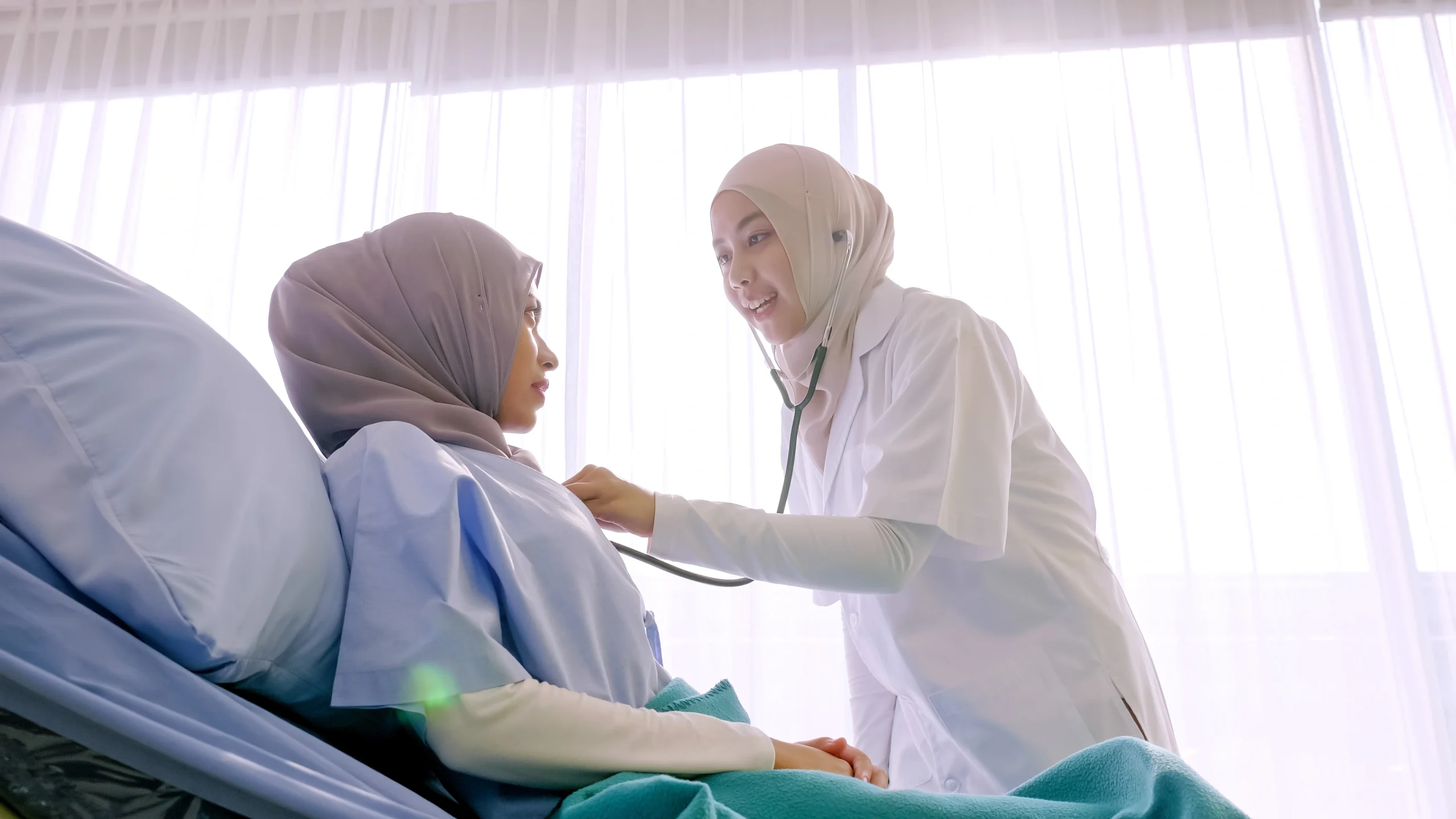
The Shafi’i school places a strong emphasis on the principle of necessity (darurah), which permits actions that are normally restricted when essential to preserve life or prevent serious harm. This principle underpins Shafi’i rulings on organ donation, emphasizing that life-saving medical interventions are permissible when ethical and religious guidelines are followed.
Organ Donation Under Shafi’i Guidelines
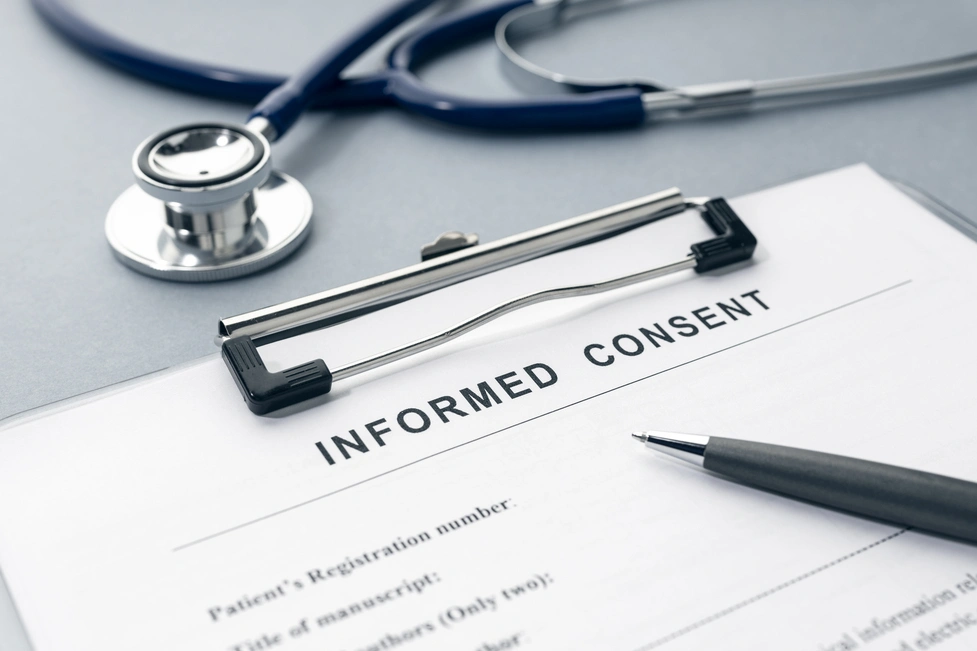
Shafi’i scholars assert that organ transplantation is allowed under strict conditions: the donor must give informed consent, the procedure should not cause unnecessary harm, and the dignity of the human body must be preserved. This aligns with the Quranic mandate to save life, “Whoever saves a life, it is as if he saved all of humanity” (Surah Al-Ma’idah 5:32).
Living Donors and Ethical Oversight
For living donors, Shafi’i fiqh stresses safety and ethical responsibility. Donors must undergo proper medical evaluation, and the procedure should minimize risk. Scholars highlight that ethical compliance ensures the act is both permissible and commendable. Resources like Sound Vision provide practical guidance for living organ donors adhering to Shafi’i principles.
Posthumous Donations and Consent
In the case of deceased donors, informed consent from the individual prior to death or from family members is required. The body must be handled with respect, and medical procedures must follow ethical standards. Shafi’i scholars emphasize that preserving life justifies these interventions, provided dignity and consent are maintained.
Balancing Ethics and Necessity
The Shafi’i approach carefully balances necessity with respect for the human body. Life-saving interventions, including organ donation, are permitted only when ethical frameworks are strictly observed. This balance ensures that medical advancements do not compromise religious or moral principles.
Community Education and Awareness
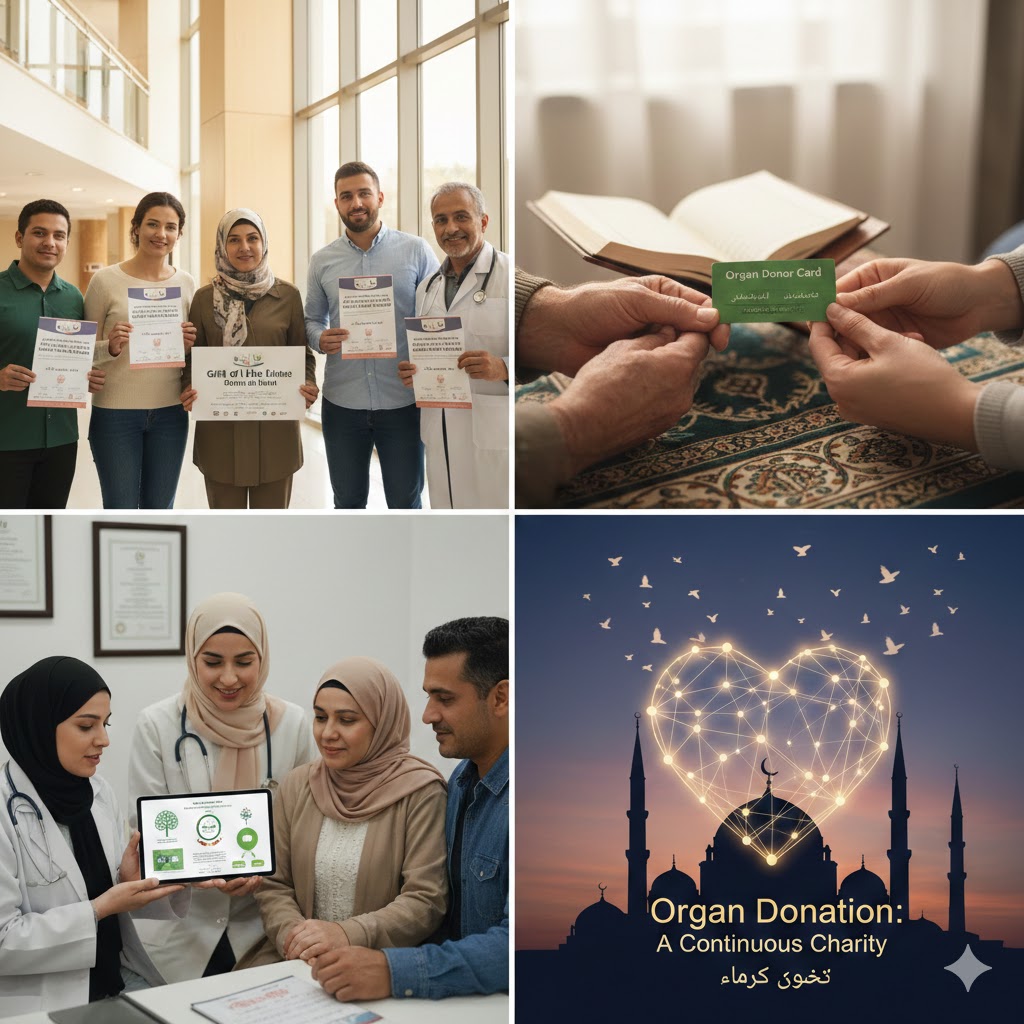
Educating communities about the Shafi’i perspective encourages informed participation in organ donation programs. Mosque seminars, workshops, and online platforms help clarify the ethical permissibility and spiritual significance of donation, fostering responsible and compassionate engagement.
Conclusion
The Shafi’i approach to medical necessity provides a structured ethical framework for organ donation. By following consent protocols, minimizing harm, and preserving human dignity, Muslims can engage in life-saving interventions confidently. Shafi’i fiqh harmonizes classical jurisprudence with modern medical practice, reflecting the values of compassion, responsibility, and sanctity of life.