
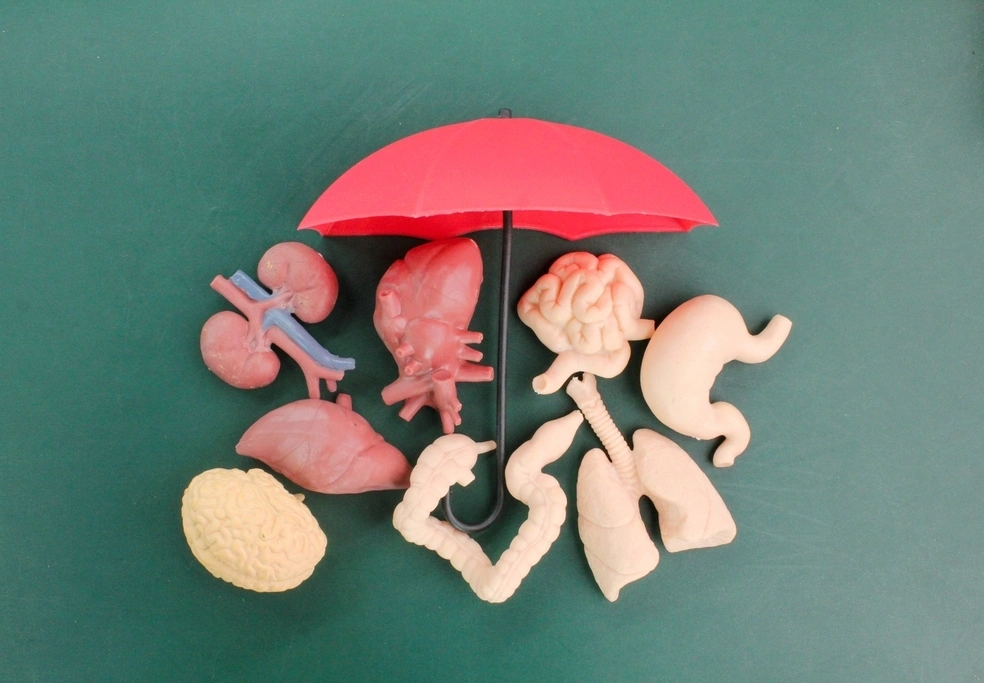



Maliki Principles on Preserving Life
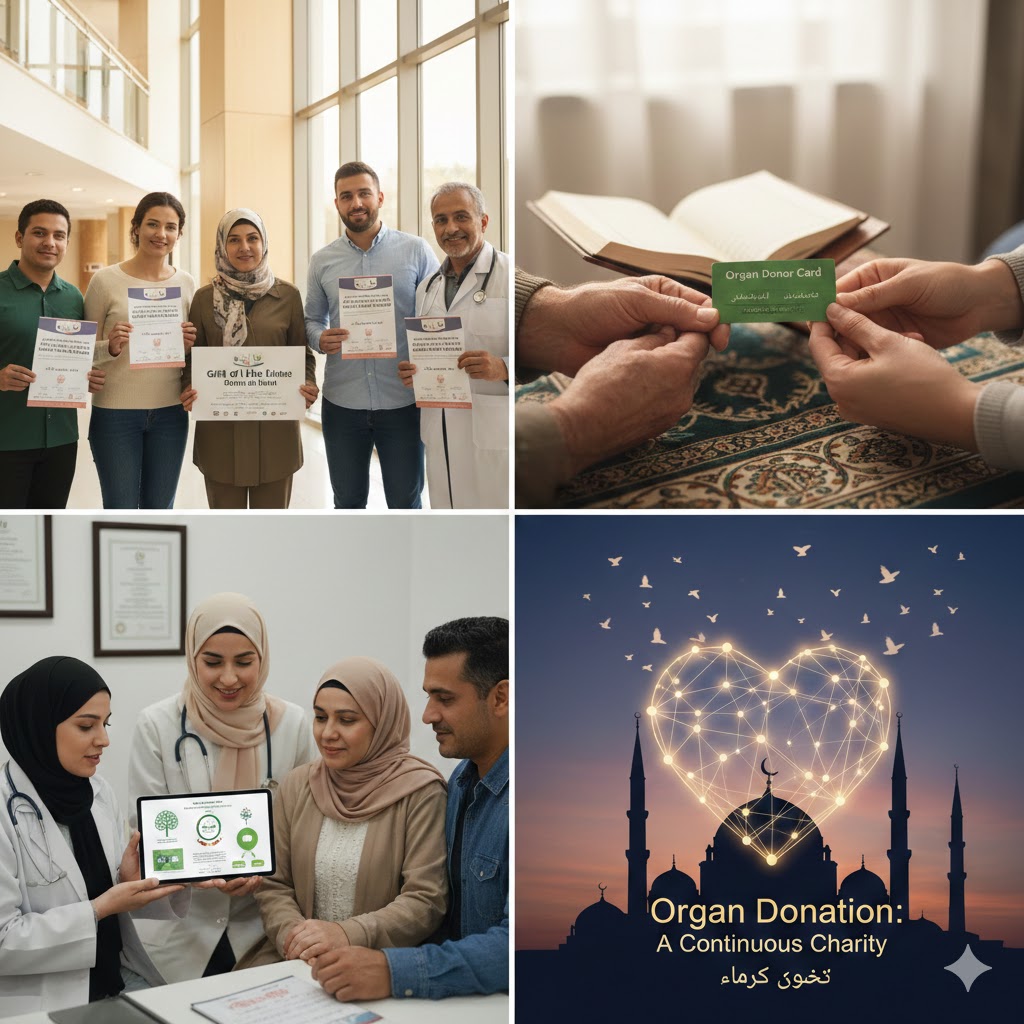
The Maliki school of Islamic jurisprudence emphasizes the preservation of life as a primary objective (maqasid al-shariah). Maliki scholars permit actions that protect life and prevent harm, including organ transplantation, provided that ethical and religious guidelines are maintained. The Quranic verse, “And whoever saves a life, it is as if he has saved all of humanity” (Surah Al-Ma’idah 5:32), serves as the foundational basis for these rulings.
Conditions for Permissibility
Maliki fiqh allows organ donation under specific conditions: the donor’s consent must be obtained, the procedure should not endanger the donor, and the body of deceased donors must be treated with respect. Scholars emphasize that these conditions ensure the act aligns with both moral and religious obligations, protecting the dignity of the human body while saving lives. Resources like Sound Vision provide practical guidance for applying Maliki rulings in medical contexts.
Living Donors: Ethical Considerations
Living donations are permissible when the donor’s health and safety are protected. Maliki scholars stress that medical evaluation, informed consent, and minimal risk are essential. These safeguards ensure that the act remains ethically sound and religiously acceptable, reflecting the Maliki commitment to both human welfare and Shariah compliance.
Posthumous Donations and Respect
Deceased donations require explicit consent from the donor or family, with strict adherence to ethical medical practices. Handling the body respectfully is central to Maliki jurisprudence. Scholars recognize that organ donation preserves life while maintaining dignity, demonstrating the balance between necessity and ethical responsibility.
Harmonizing Tradition and Modern Medicine
Maliki jurisprudence integrates classical ethical principles with contemporary medical practices. By providing clear guidelines on consent, safety, and dignity, Maliki scholars facilitate life-saving interventions in a manner consistent with Shariah. Platforms like the Islamic Fiqh Academy support communities in understanding and implementing these rulings effectively.
Conclusion
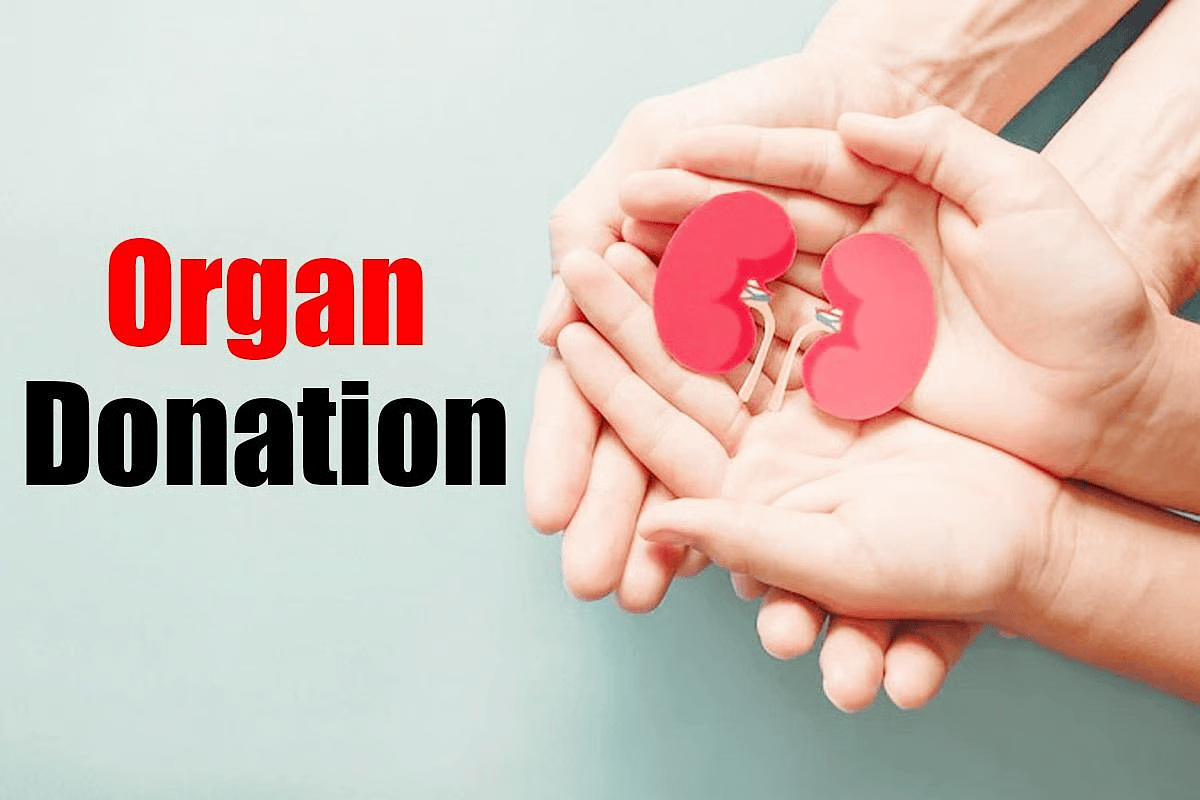
Maliki jurisprudence on organ transplantation provides an ethical and religious framework that harmonizes classical principles with modern medical practice. By ensuring consent, safeguarding donor health, and respecting the deceased, Muslims can participate in life-saving interventions confidently. The Maliki approach demonstrates the integration of tradition, compassion, and medical ethics in preserving human life.