
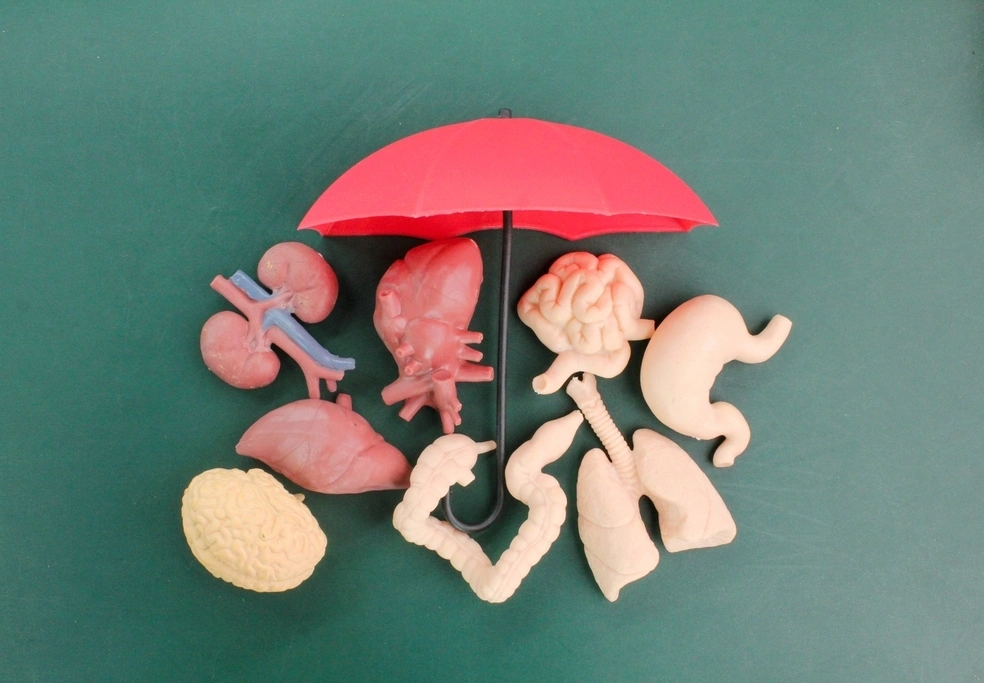



Preservation of Life in Hanbali Fiqh
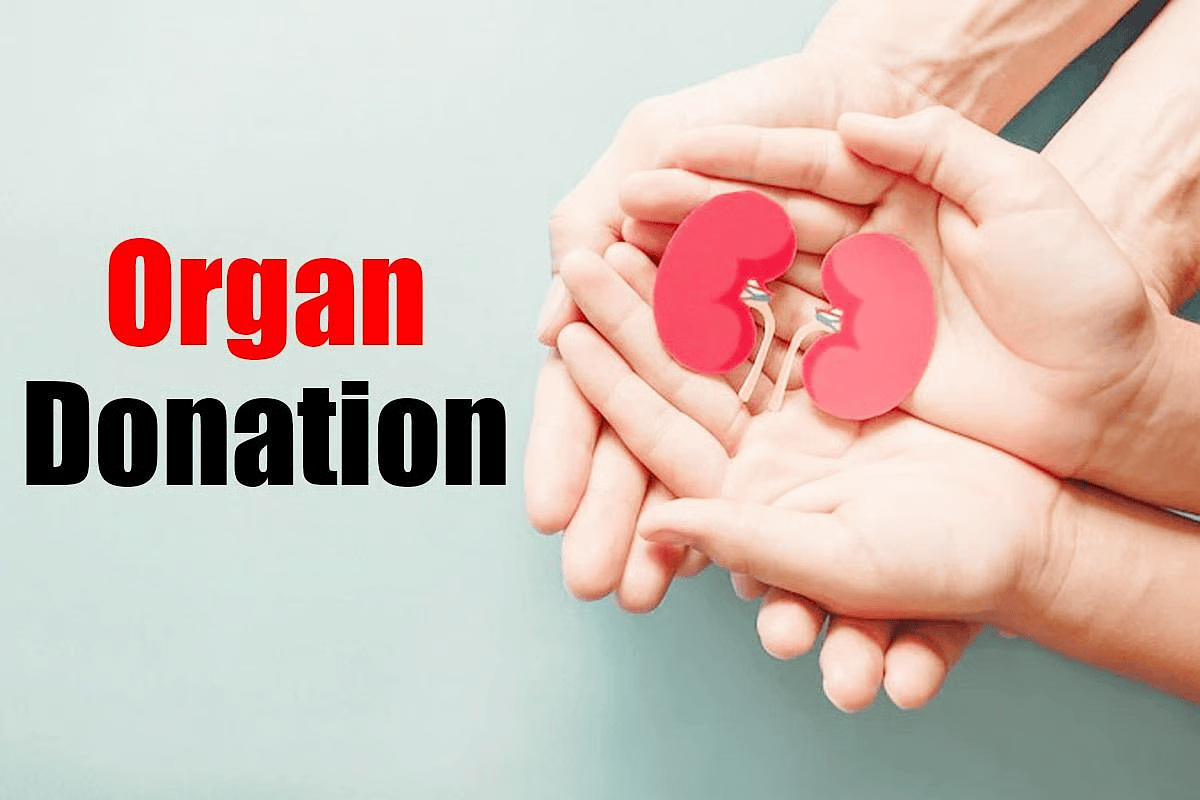
The Hanbali school places a strong emphasis on the sanctity and preservation of human life. Life is considered sacred, and saving it is a religious and ethical obligation. The Quran reinforces this principle: “Whoever saves a life, it is as if he has saved all of humanity” (Surah Al-Ma’idah 5:32). Hanbali scholars view medical interventions, including organ donation, as permissible when they prevent death or severe harm, provided that ethical and religious guidelines are respected.
Medical Necessity and Hanbali Rulings
According to Hanbali jurisprudence, necessity (darurah) allows actions that might otherwise be restricted if they serve the higher objective of preserving life. Organ transplantation, whether living or posthumous, falls under this principle. The act must follow ethical guidelines, ensure donor safety, and uphold the dignity of the human body. Resources like Sound Vision provide practical guidance for aligning Hanbali rulings with modern medical practice.
Ethical Guidelines for Organ Donation
Hanbali scholars stress informed consent, minimizing harm, and respectful handling of the body. Living donors must not be subjected to undue risk, while posthumous donations require prior consent or family authorization. These measures ensure that the act fulfills both medical necessity and ethical standards, maintaining alignment with Shariah principles.
Living and Posthumous Donation Considerations
Living donors are ethically permitted to donate organs if their health and well-being are preserved. Posthumous donations are allowed with proper consent and respectful medical procedures. The Hanbali approach reconciles the sanctity of the body with the urgent need to save lives, providing a structured and morally sound framework for organ transplantation.
Community Awareness and Engagement
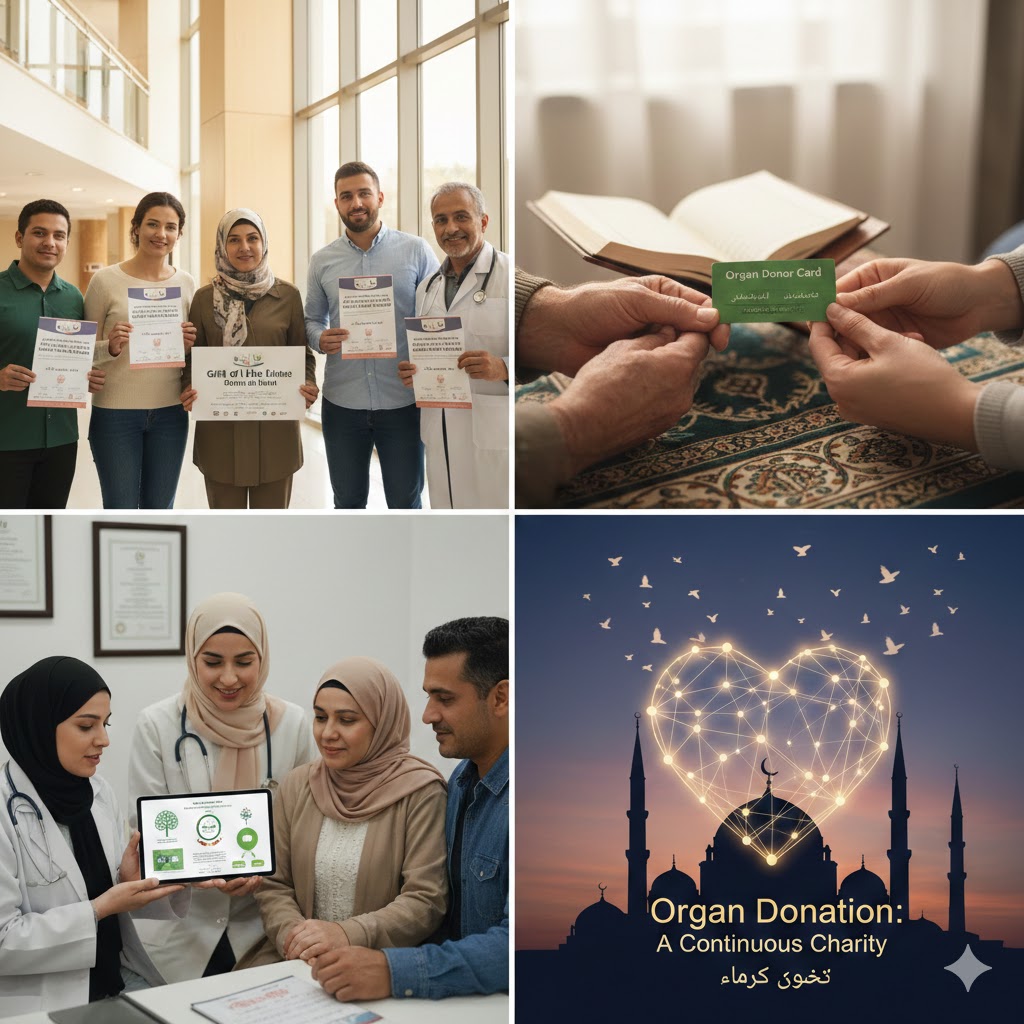
Educating Muslim communities about Hanbali views on organ donation fosters informed decision-making. Mosque seminars, workshops, and online platforms highlight ethical and religious guidelines, ensuring families can participate confidently in life-saving programs. Community engagement also helps dispel myths and promotes acceptance of ethical medical practices.
Conclusion
The Hanbali school emphasizes the preservation of life while upholding ethical and religious principles. By following consent protocols, minimizing harm, and respecting human dignity, Muslims can participate in organ donation confidently. The Hanbali approach illustrates how classical jurisprudence can address modern medical realities while fulfilling the moral and spiritual objective of protecting life.