


Shia Jurisprudential Approach to Organ Donation
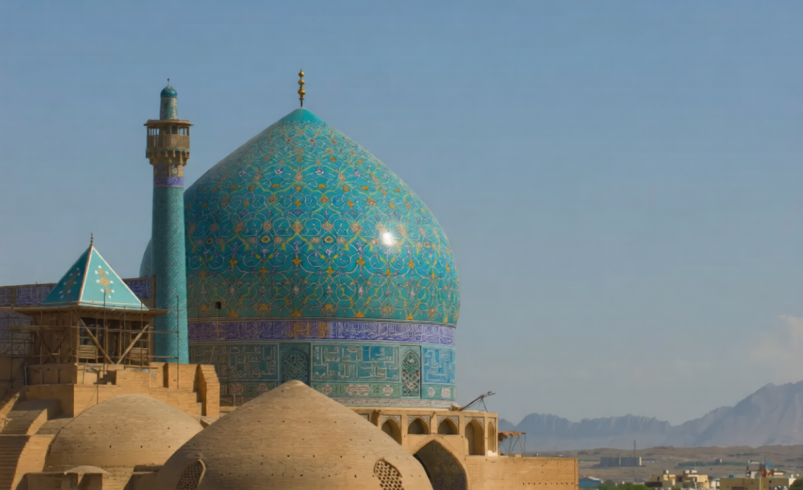
Shia scholars, particularly from the Ja’fari school, permit organ donation under strict ethical and religious guidelines. Preservation of life is the overriding principle, and organ donation is recognized as a morally and religiously commendable act when conducted responsibly. The Quranic verse, “Whoever saves a life, it is as if he has saved all of humanity” (Surah Al-Ma’idah 5:32), forms the basis for these rulings.
Conditions for Permissibility
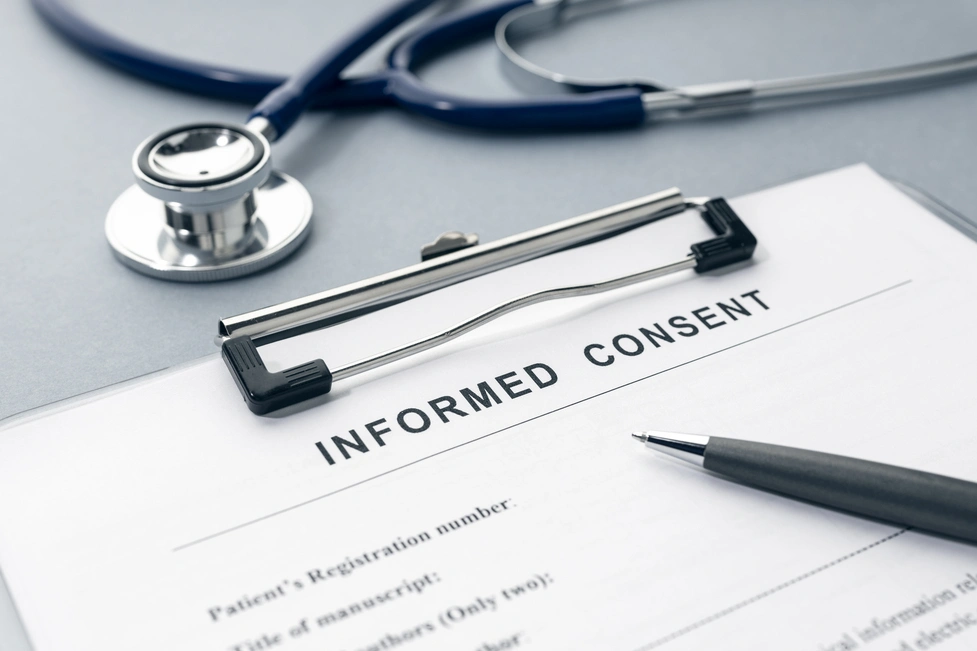
Shia fiqh requires several conditions: informed consent from the donor or family, medical necessity, minimal harm, and respect for bodily dignity. Living donors must be thoroughly evaluated to ensure safety, while posthumous donations require documented consent and ethical medical procedures. Guidance from platforms like Sound Vision helps families align practices with Shariah principles.
Living Donor Considerations
Living organ donation is permitted when the donor’s health is protected and ethical protocols are followed. Shia scholars stress that donors must act voluntarily, with sincere intention to save life. Medical supervision and informed consent are essential, ensuring that the act is both legally and religiously valid.
Posthumous Donations
For deceased donors, family authorization or prior consent from the donor is mandatory. The procedure must respect the deceased’s body and follow ethical medical standards. Shia scholars reconcile the sanctity of the body with the moral imperative to save life, allowing organ donation under these conditions.
Spiritual and Ethical Significance
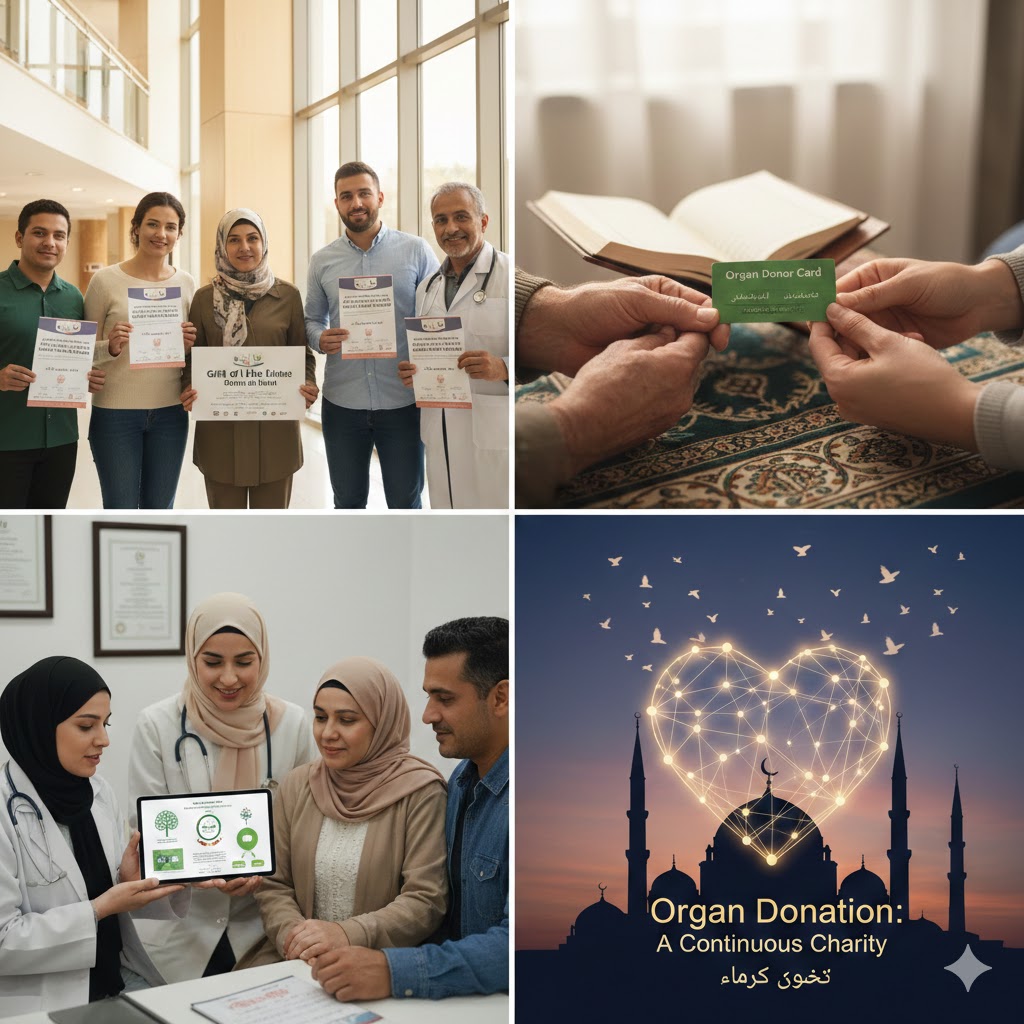
Organ donation in Shia fiqh is considered a form of altruism and continuous charity (sadaqah jariyah), earning spiritual reward for the donor. By acting with sincere intention, adhering to ethical guidelines, and prioritizing life preservation, donors fulfill both ethical and religious responsibilities.
Conclusion
Organ donation in Shia jurisprudence is permissible and morally commendable when conducted ethically. By ensuring informed consent, respecting the body, and following medical guidelines, Muslims can participate confidently in life-saving interventions. Shia fiqh harmonizes compassion, ethics, and religious obligation in promoting organ donation.