


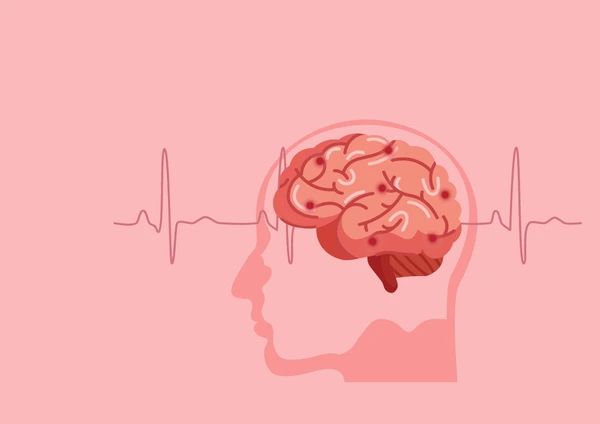

Understanding Brain Death in Shia Fiqh
Brain death is a modern medical definition where irreversible cessation of brain activity is considered legal death. Ja’fari scholars recognize brain death as an acceptable criterion for determining death, provided it is confirmed by competent medical professionals using established criteria. This recognition facilitates posthumous organ donation in line with Shariah principles.
Conditions for Posthumous Organ Donation
Ja’fari rulings emphasize that organ retrieval is permissible only after death is confirmed. Ethical guidelines require informed consent from the donor or family, respectful handling of the body, and adherence to medical standards. Platforms like Sound Vision provide guidance on navigating these procedures responsibly.
Ethical and Religious Considerations
Brain death recognition must balance medical necessity with ethical and religious obligations. Scholars emphasize that dignity, consent, and avoidance of harm are paramount. Organ donation under these conditions is both ethically justified and religiously endorsed, aligning with the Quranic principle of preserving life.
Living vs. Posthumous Donation
While living donations focus on donor safety, posthumous donations rely on accurate brain death determination and family consent. Ja’fari scholars reconcile modern medical definitions with ethical and Shariah considerations, ensuring that organ transplantation respects both human dignity and life-saving imperatives.
Community Guidance and Awareness
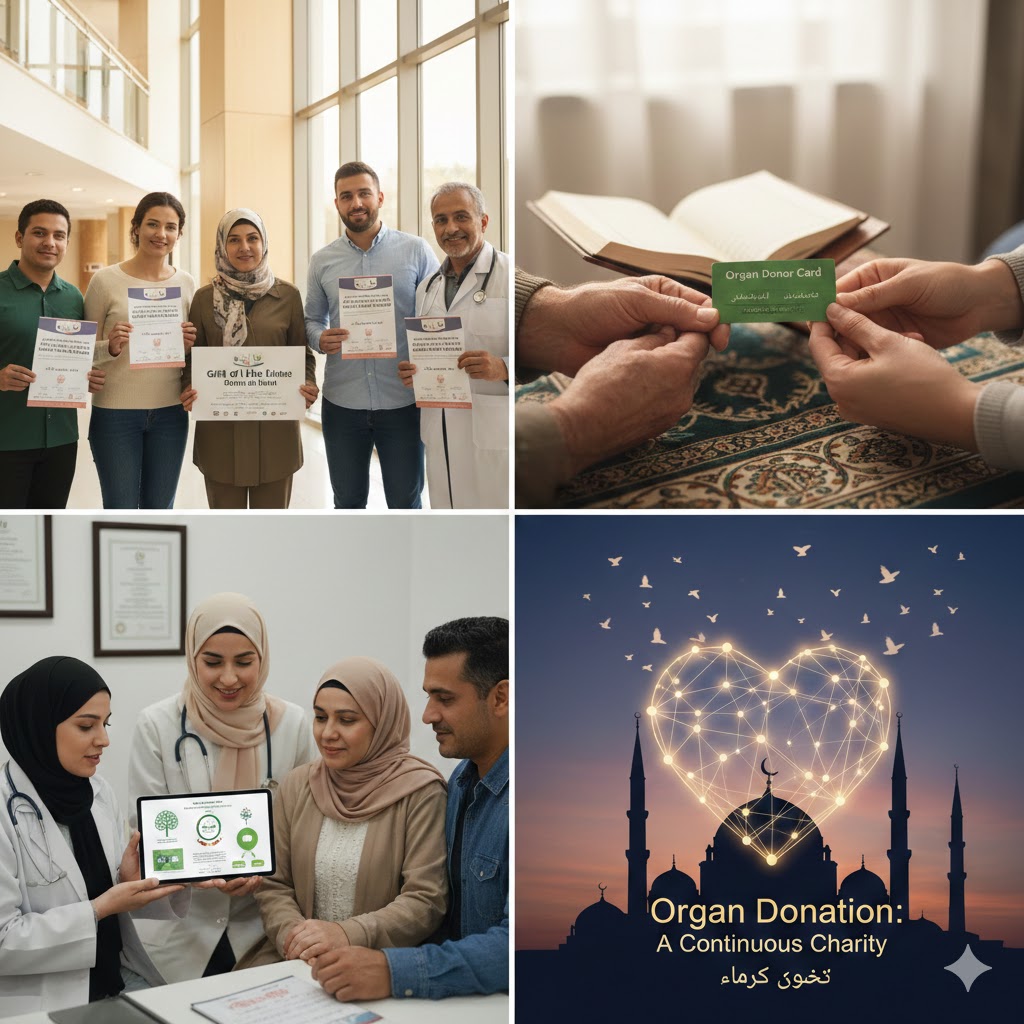
Educating Shia communities about brain death and organ donation ensures informed decision-making. Religious leaders, healthcare institutions, and community organizations play key roles in providing guidance, fostering acceptance, and promoting ethically compliant donation practices.
Conclusion
Brain death in Ja’fari jurisprudence provides a clear, ethically sound basis for posthumous organ donation. By ensuring proper medical confirmation, consent, and respectful procedures, Shia Muslims can participate in life-saving interventions confidently. This approach demonstrates how modern medical realities can harmonize with Shariah principles while preserving human life and dignity.