

Modern Medical Challenges and Shia Jurisprudence
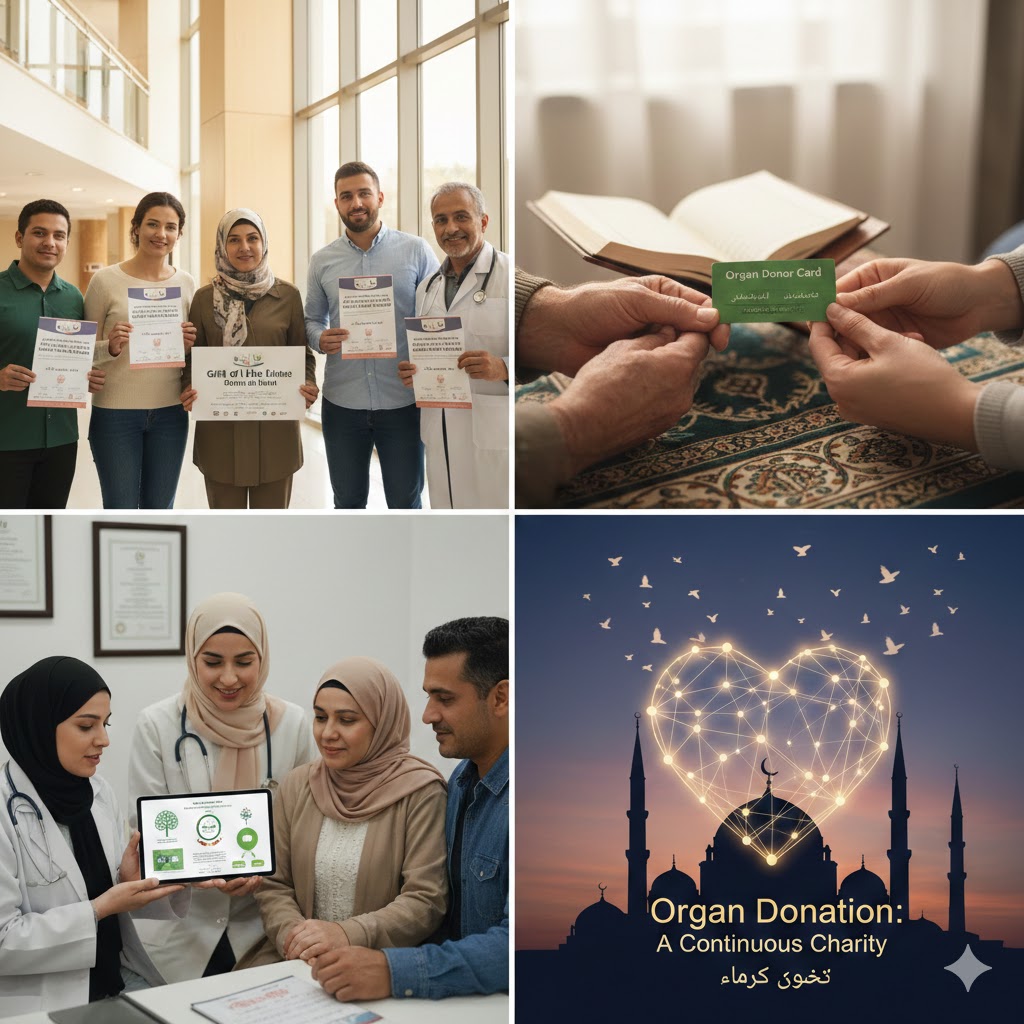
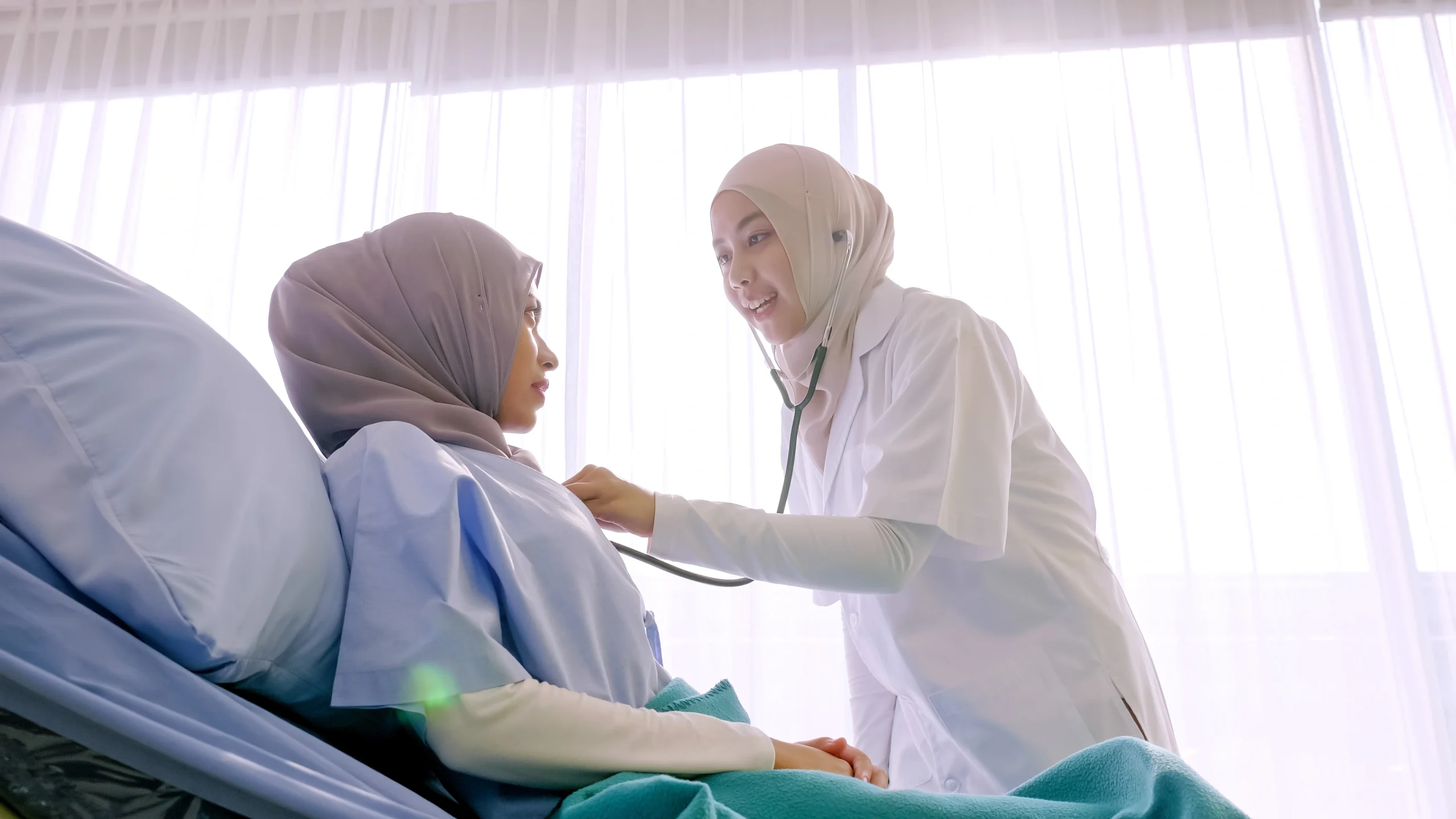
Advancements in organ transplantation have required contemporary Shia scholars to address complex bioethical questions. While classical jurisprudence did not directly confront modern surgical transplantation, its principles provide a strong foundation for guidance. Contemporary Shia authorities rely on the objectives of Shariah, particularly the preservation of life, to evaluate the permissibility of organ donation.
Principle of Preserving Life
The Quran emphasizes the sanctity of saving human life: “Whoever saves one life, it is as if he has saved all of humanity” (Surah Al-Ma’idah 5:32). Contemporary Shia scholars interpret this verse as strong support for life-saving medical procedures, including organ transplantation. When transplantation becomes the only viable treatment, many jurists consider donation permissible under defined ethical conditions.
Consent and Voluntariness
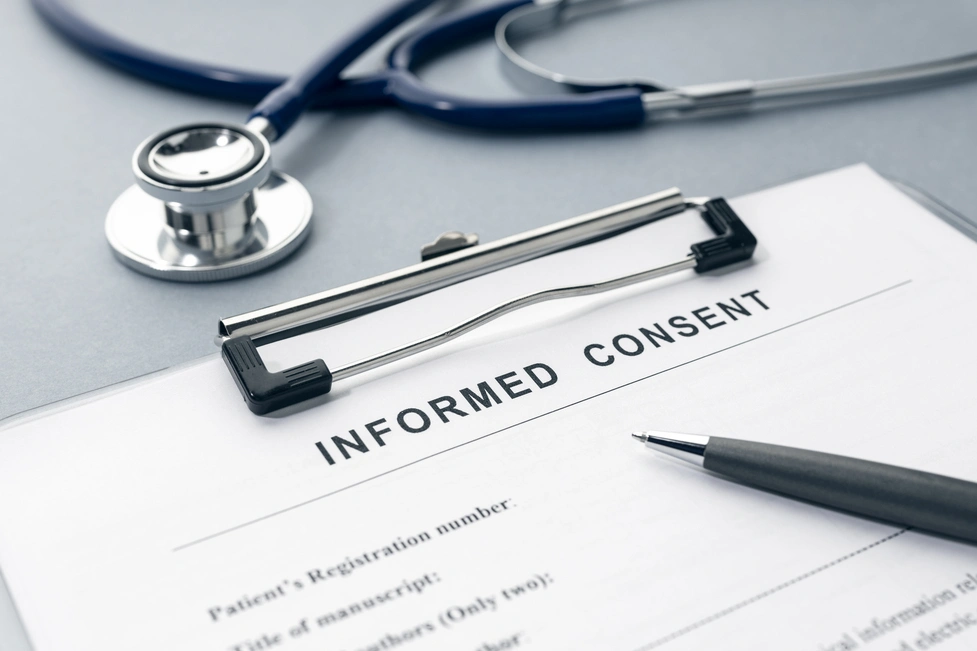
Consent remains central in Shia rulings. Scholars require explicit donor consent during life or authorization from next of kin after death. Voluntariness must be free from coercion or undue pressure. The act of donation is viewed as charitable, and ethical legitimacy depends on intention and transparency.
Brain Death and Medical Verification
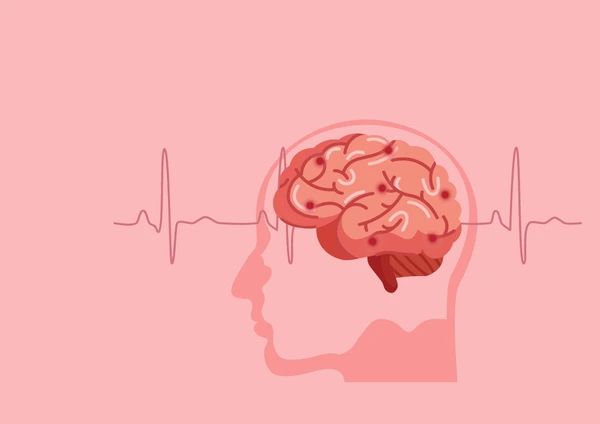
Recognition of brain death has been widely discussed among contemporary Shia scholars. Many accept medically certified brain death as legitimate death, provided it is confirmed by qualified specialists. This acceptance enables posthumous donation without violating Islamic principles regarding bodily sanctity.
Global Scholarly Engagement
Leading Shia authorities in Iran, Iraq, and Lebanon have issued rulings affirming permissibility with safeguards. Institutions such as the Office of Grand Ayatollah Sistani provide detailed jurisprudential responses to bioethical issues, reflecting the dynamic engagement of Shia scholarship with modern medicine.
Ethical Safeguards
Scholars emphasize respect for the human body, prohibition of commercial exploitation, and prioritization of necessity. Organ donation must not lead to harm outweighing benefit. The donor’s dignity and health remain protected, and medical professionals must uphold ethical integrity throughout the process.
Conclusion
Contemporary Shia perspectives demonstrate flexibility grounded in foundational principles. By prioritizing life preservation, ensuring consent, and maintaining ethical safeguards, modern Shia scholarship continues to address organ donation responsibly. This engagement illustrates the compatibility of Islamic jurisprudence with evolving medical realities.