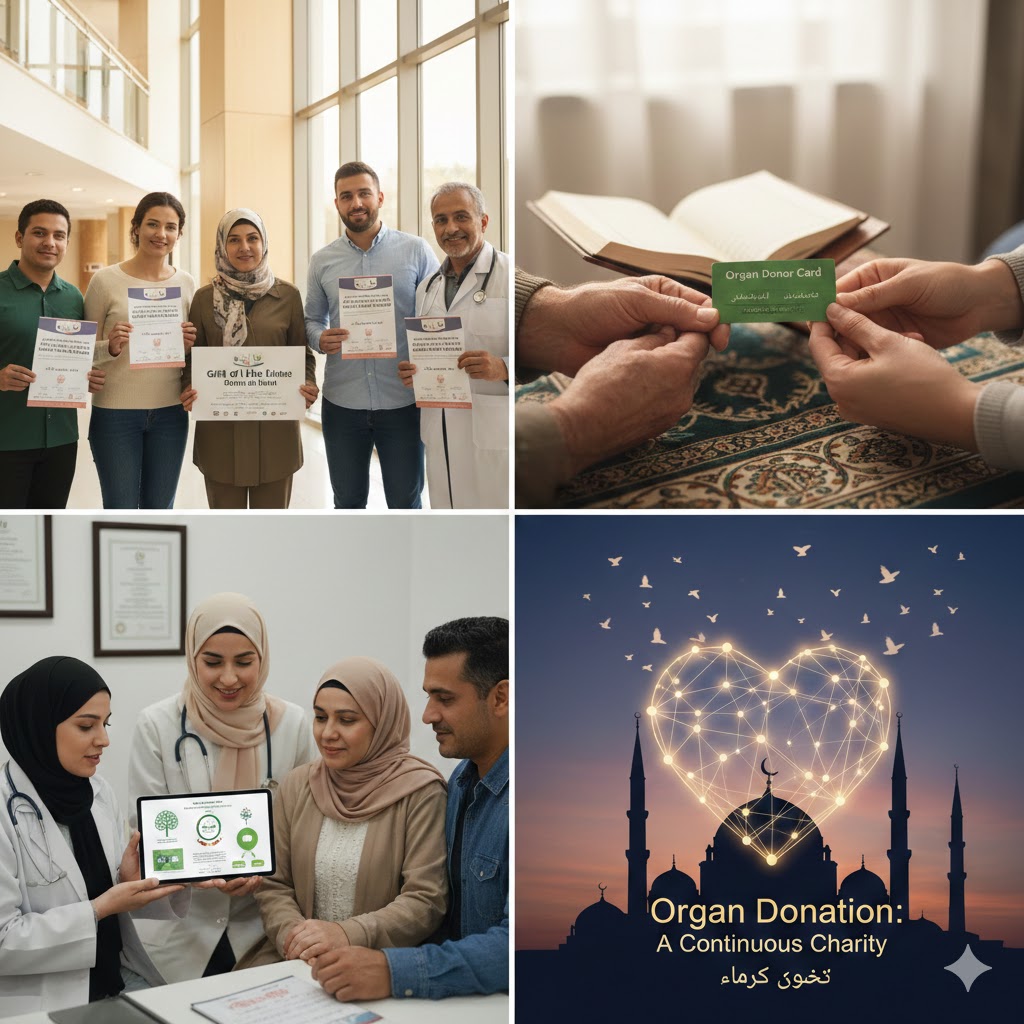




Faith and Medical Practice
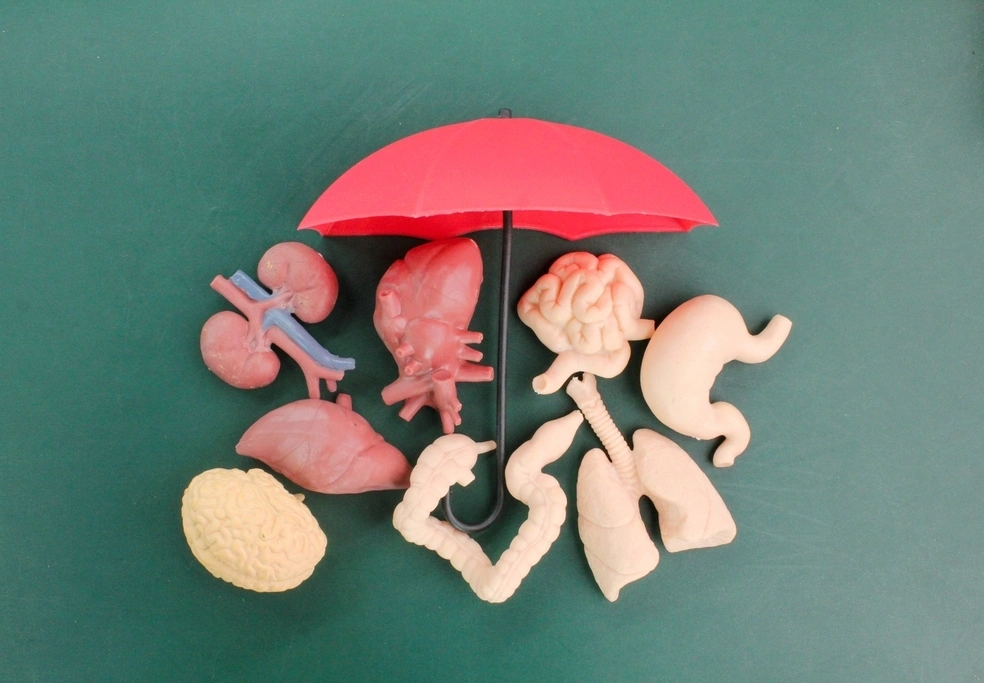
Muslim medical professionals often navigate both clinical responsibilities and religious values. In the context of organ transplantation, ethical decision-making requires understanding Islamic jurisprudence alongside medical standards. Contemporary Shia scholarship provides guidance that supports life-saving treatment while preserving moral boundaries.
Commitment to Preserving Life
The obligation to preserve life is deeply rooted in Islamic teaching. The Quran states, “Whoever saves a life, it is as if he has saved all of humanity” (Surah Al-Ma’idah 5:32). For healthcare providers, this principle reinforces the ethical imperative to support organ transplantation when medically appropriate.
Ensuring Informed Consent
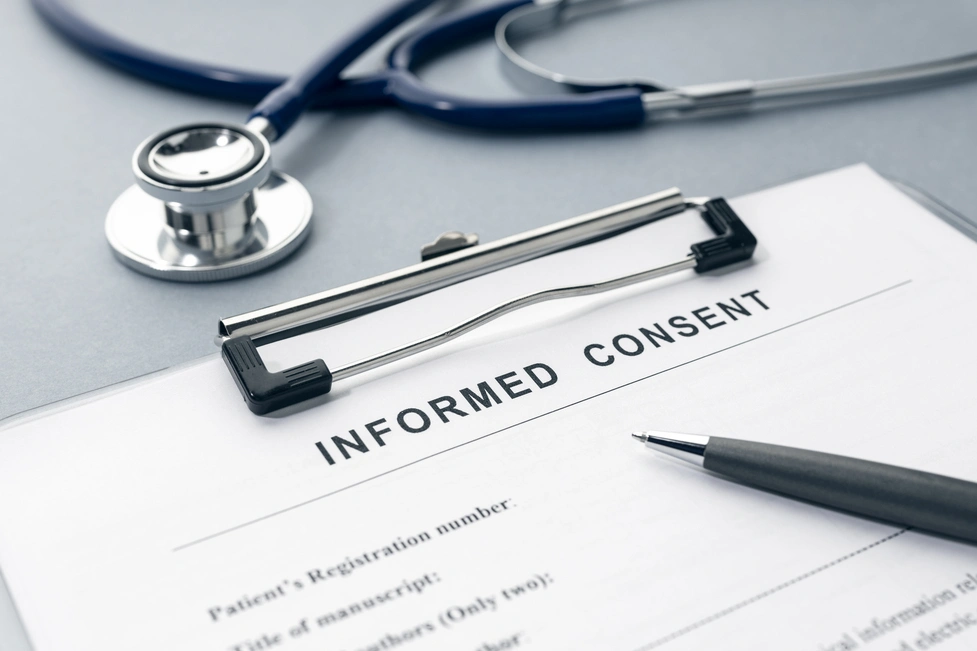
Medical professionals must guarantee informed consent from donors or their families. Transparency about risks, procedures, and outcomes aligns with both medical ethics and Islamic principles. Coercion or misinformation undermines religious and professional integrity.
Maintaining Dignity and Respect
Respect for the human body remains essential before and after death. Surgeons and medical teams must handle organ retrieval with care and professionalism. Preserving dignity reflects both Islamic values and universal ethical standards.
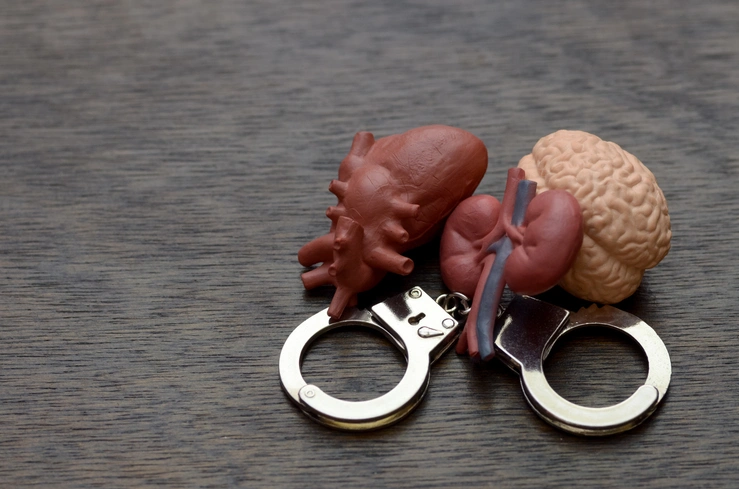
Addressing Commercialization Concerns
Islamic ethics strongly caution against exploitation. Medical professionals must avoid involvement in illegal or unethical organ trade. Educational initiatives, such as those discussed by the Sound Vision platform, highlight the importance of ethical awareness in Muslim communities.
Collaboration with Religious Authorities
Healthcare institutions in Muslim-majority regions often consult religious authorities to ensure compliance with Shariah. This collaboration fosters trust among patients and communities. It also reinforces the integration of faith-based ethics within modern healthcare systems.
Conclusion
Muslim medical professionals carry dual responsibilities: clinical excellence and ethical integrity. By adhering to informed consent, preserving dignity, and preventing exploitation, they uphold both Islamic principles and global medical standards. Contemporary Shia scholarship provides a structured framework that supports this balance, ensuring organ transplantation remains ethically grounded and socially responsible.