
Islamic Principles Against Exploitation Islamic law strictly prohibits exploitation in all forms, including in medical practice. Exploitation occurs when individuals are coerced, deceived, or financially pressured into medical

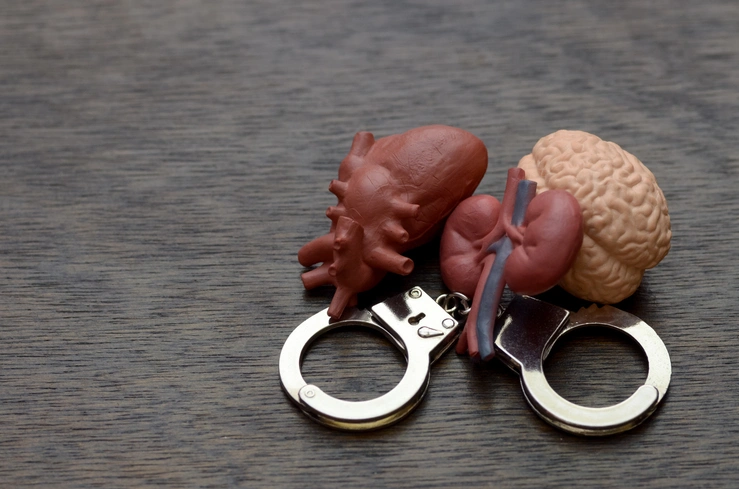
Understanding the Organ Black Market The organ black market refers to illegal trade in human organs, often exploiting vulnerable populations and bypassing ethical and legal safeguards. In Islam,
Understanding the Prohibition of Organ Selling Islamic law strictly prohibits the buying and selling of human organs. The sanctity of the human body, ethical principles, and moral responsibility

The Importance of Legal Documentation in Organ Donation Legal documentation ensures that organ donation is carried out ethically, transparently, and in accordance with both national law and Islamic
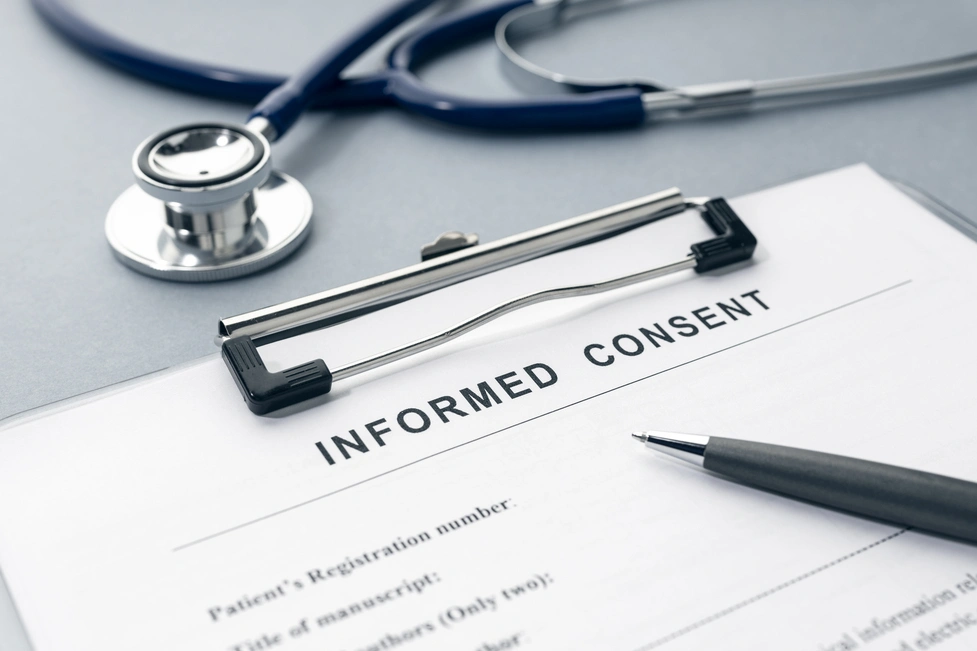
Importance of Medical Consent in Islam Medical consent is a critical component of ethical healthcare and is emphasized in Islamic law. Obtaining proper consent ensures that procedures, including

Importance of Including Organ Donation in a Will Writing organ donation instructions in an Islamic will, or Wasiyyah, ensures that the donor’s wishes are respected after death. It

Understanding Maslahah in Islamic Law In Islamic jurisprudence, Maslahah refers to actions or policies that promote public welfare and prevent harm. It serves as a guiding principle in

Understanding the Principle: Necessity Permits the Prohibited In Islamic jurisprudence, the maxim al-darurah tubih al-mahzurat (“necessity permits the prohibited”) allows actions normally forbidden if they are required to
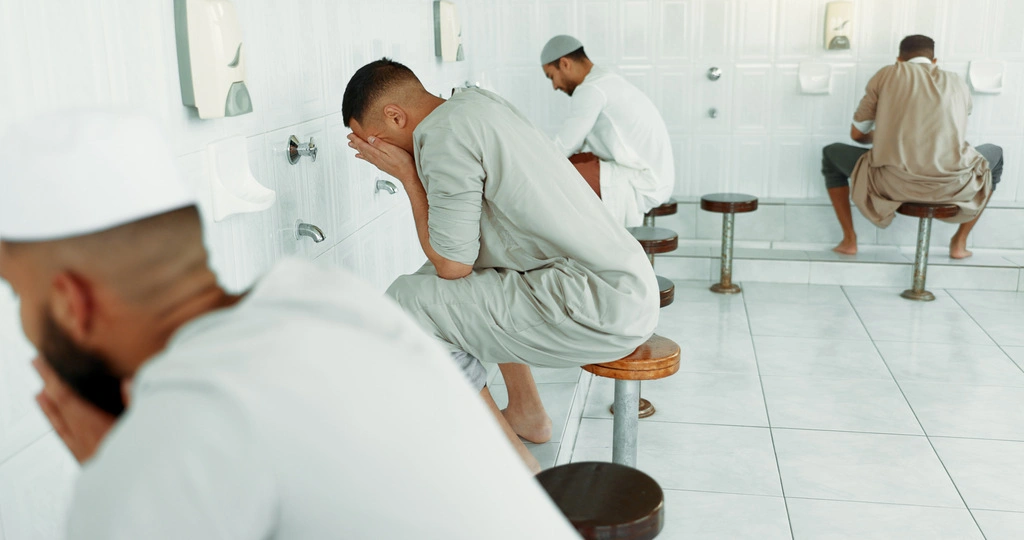
The Principle of Removing Harm in Islamic Law One of the fundamental objectives of Shariah is the protection of life and prevention of harm. The legal maxim al-darar
Understanding the Legal Maxim “Hardship Brings Ease” In Islamic jurisprudence, the maxim al-mashaqqah tajlibu al-taysir (“hardship brings ease”) reflects the principle that Shariah aims to facilitate life and
Most Read Articles